NAD RAFFORZA UN POLO FORMATIVO CHE ATTRAE STUDENTI DA TUTTA ITALIA


UN NUOVO SPAZIO TRA MEMORIA E CONTEMPORANEITÀ
Nel cuore più riconoscibile della città, Palazzo Maffei continua a evolversi senza perdere il proprio carattere. Non è solo una casa museo, ma un organismo vivo che negli anni ha costruito un dialogo sempre più serrato tra arte, architettura e città.
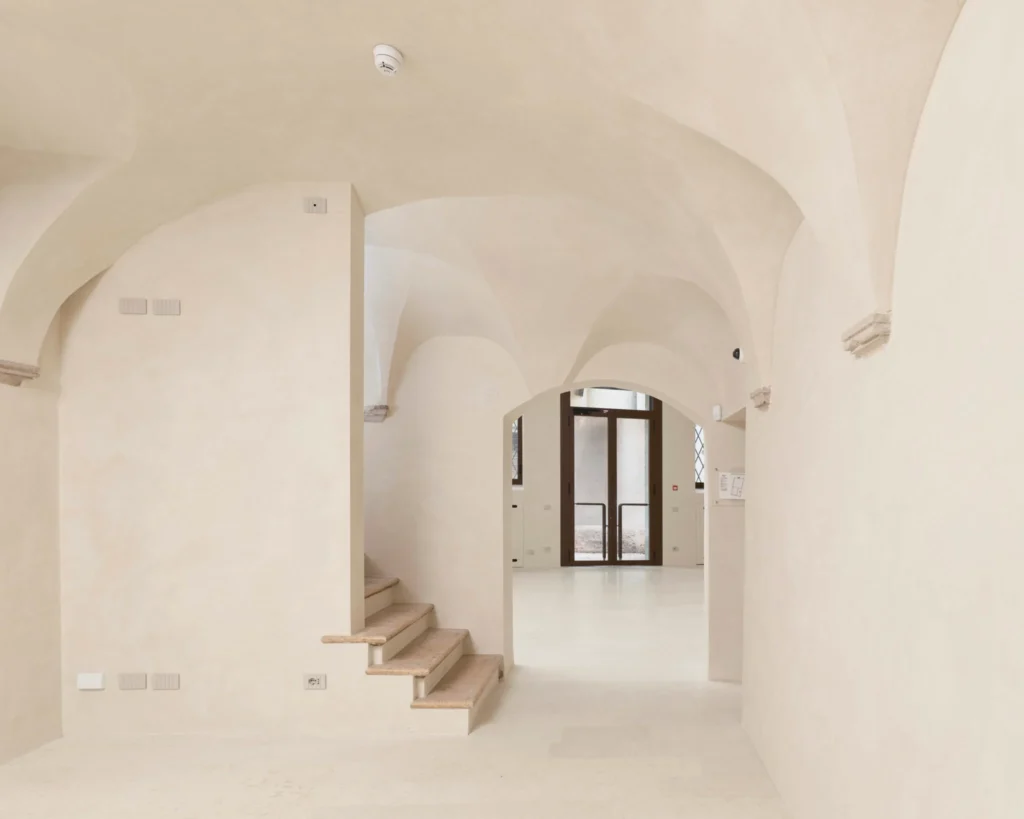
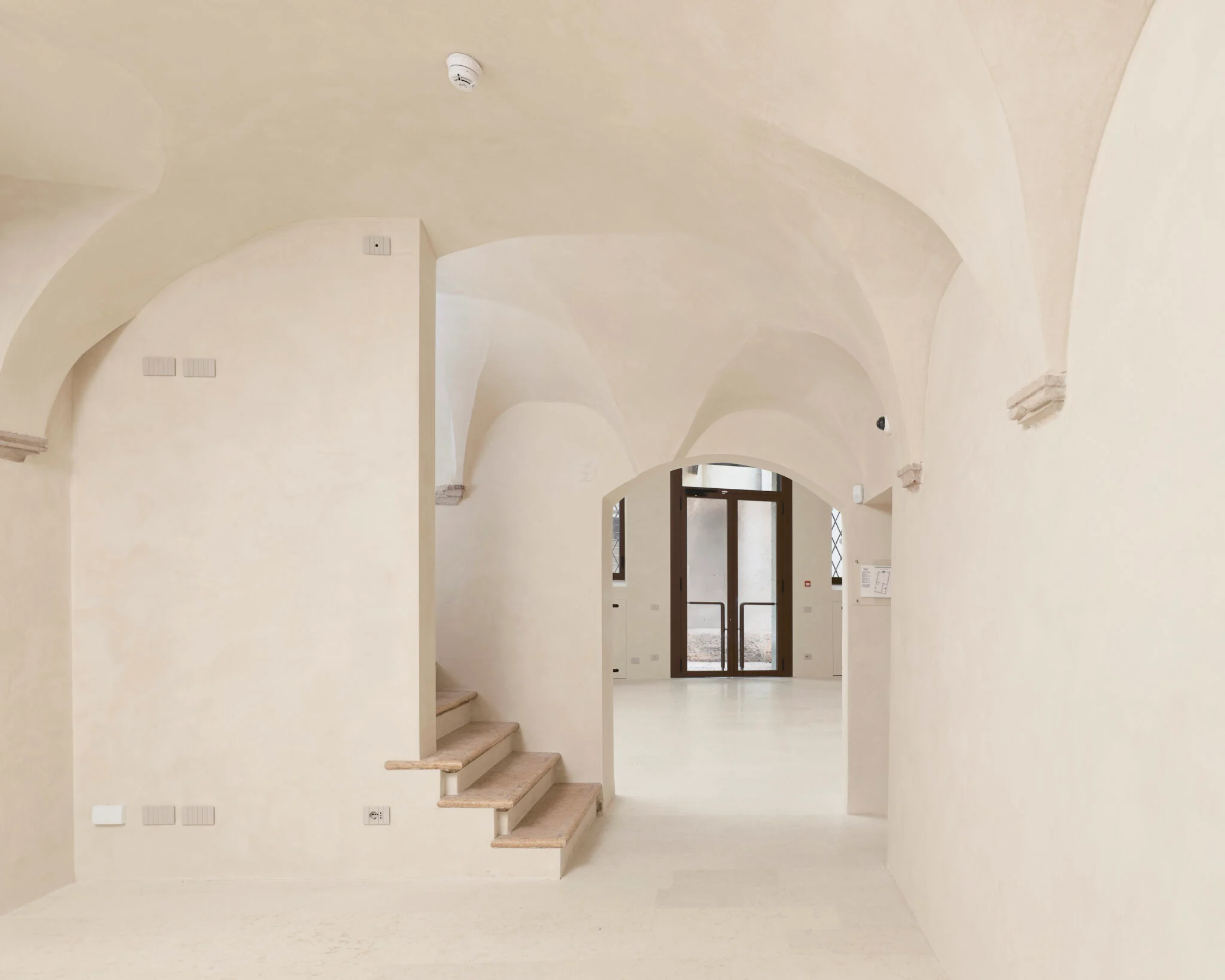
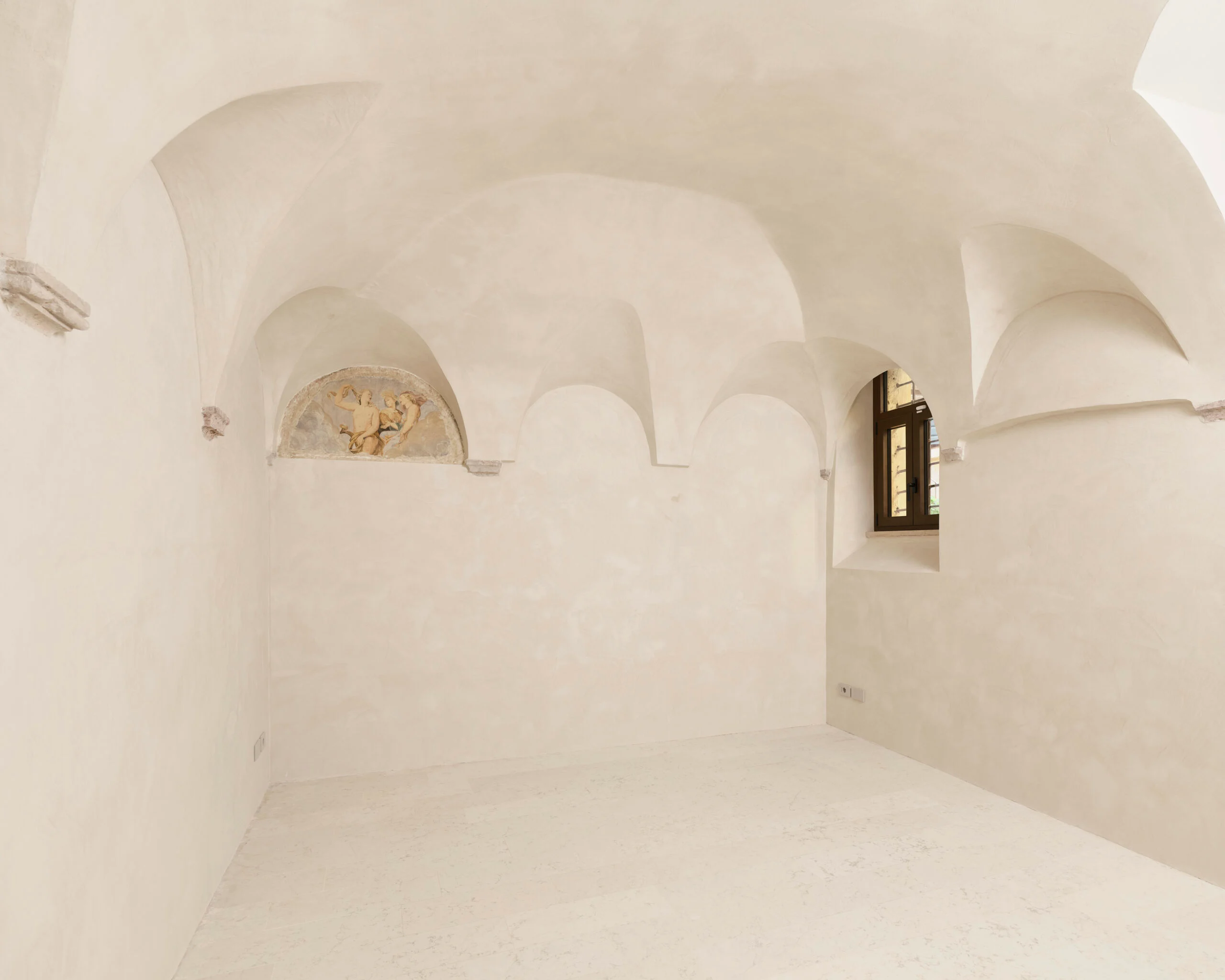
L’ultimo intervento riguarda uno spazio rimasto a lungo in secondo piano, sul retro del palazzo. Qui è stato recuperato un piccolo ambiente, una sorta di cappella nascosta, oggi trasformata in un luogo raccolto e sorprendentemente contemporaneo. Il progetto nasce dall’esigenza di ampliare le possibilità del museo, introducendo uno spazio più intimo rispetto alle sale espositive principali, pensato per mostre temporanee, attività didattiche e iniziative culturali.
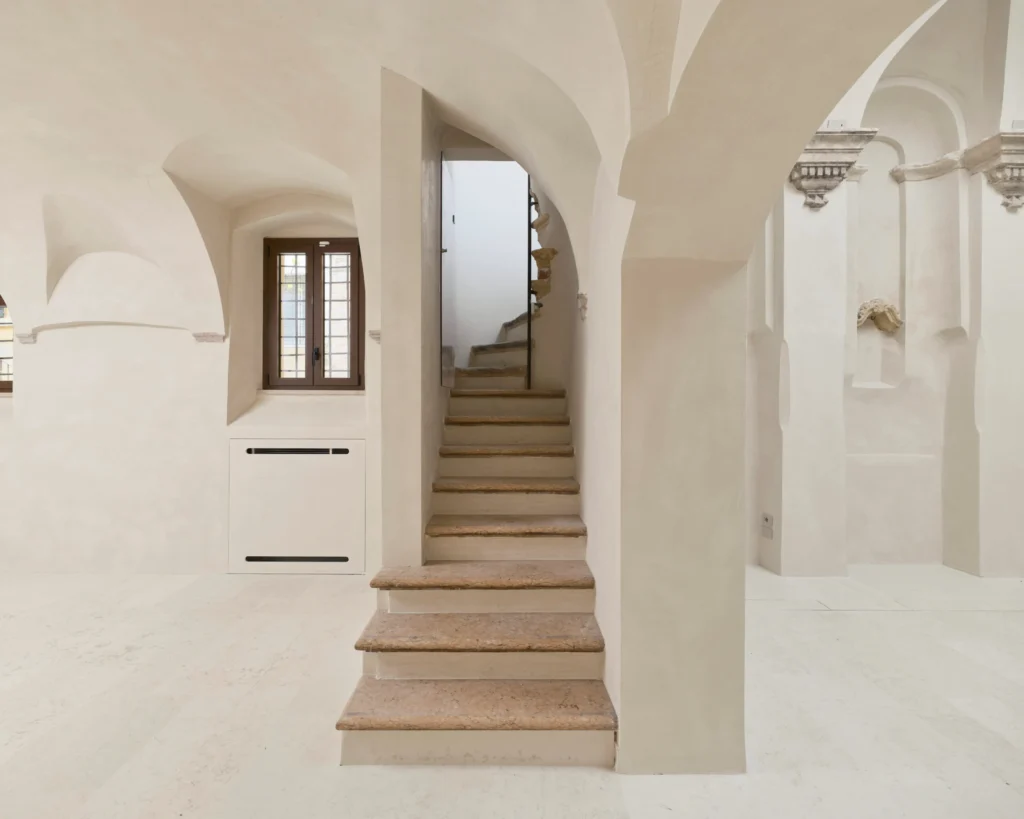
Il nuovo ambiente, chiamato “Monastero”, non è una semplice aggiunta funzionale. Il nome richiama la stratificazione storica dell’area, dove tra il X e il XII secolo sorgeva un complesso benedettino poi progressivamente inglobato nella trasformazione urbana. Oggi di quella presenza resta una memoria sottile, che il progetto recupera e traduce in atmosfera.
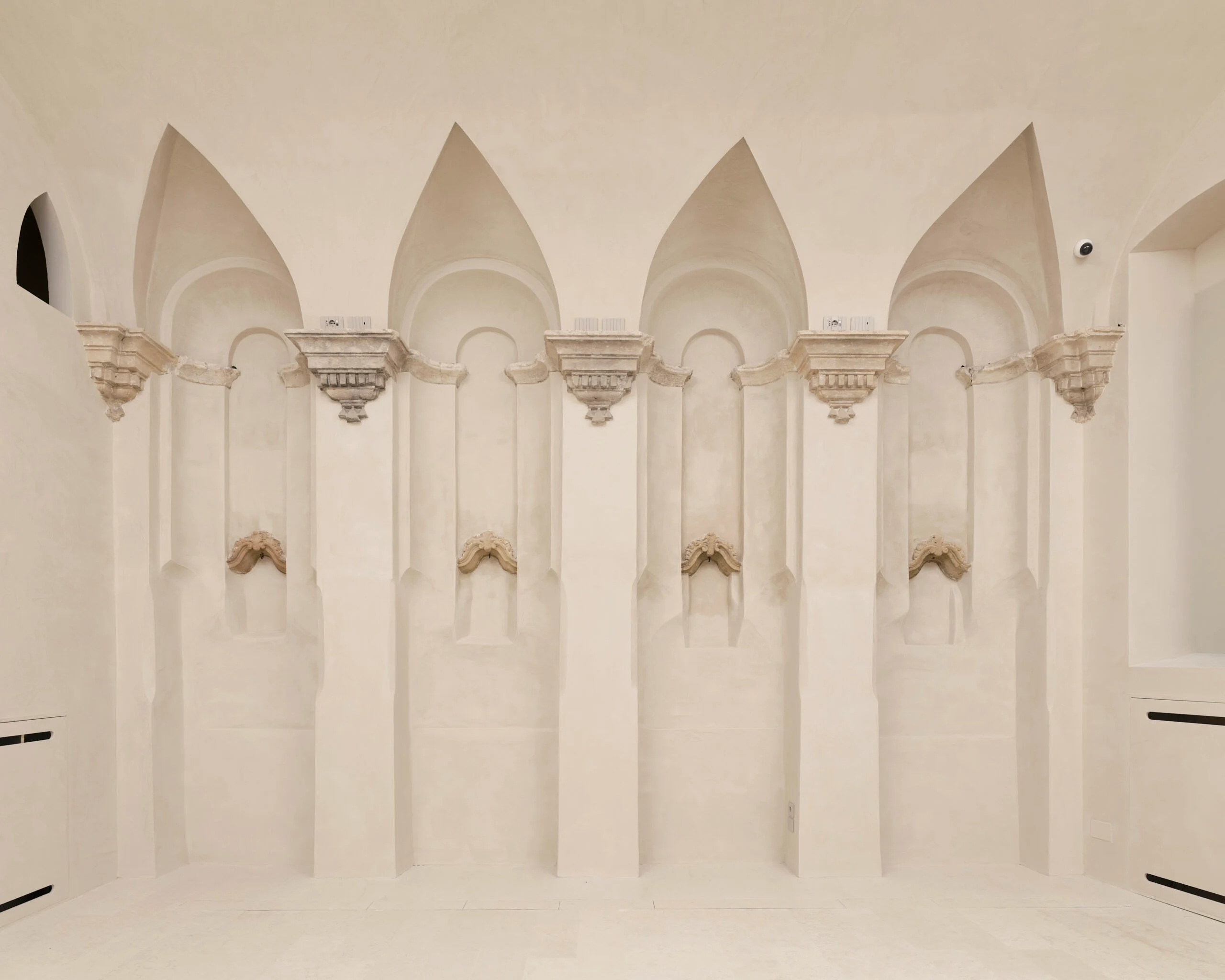
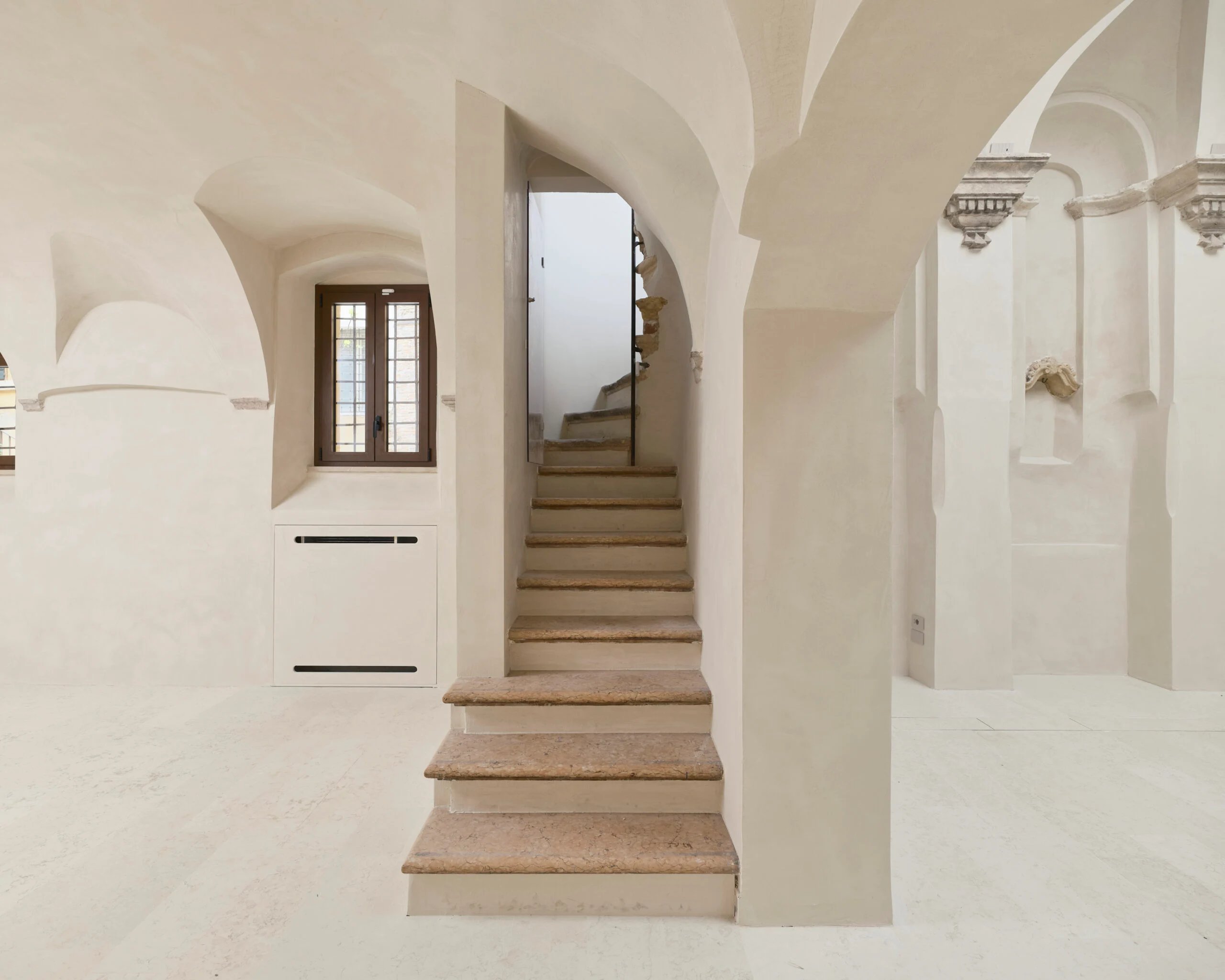
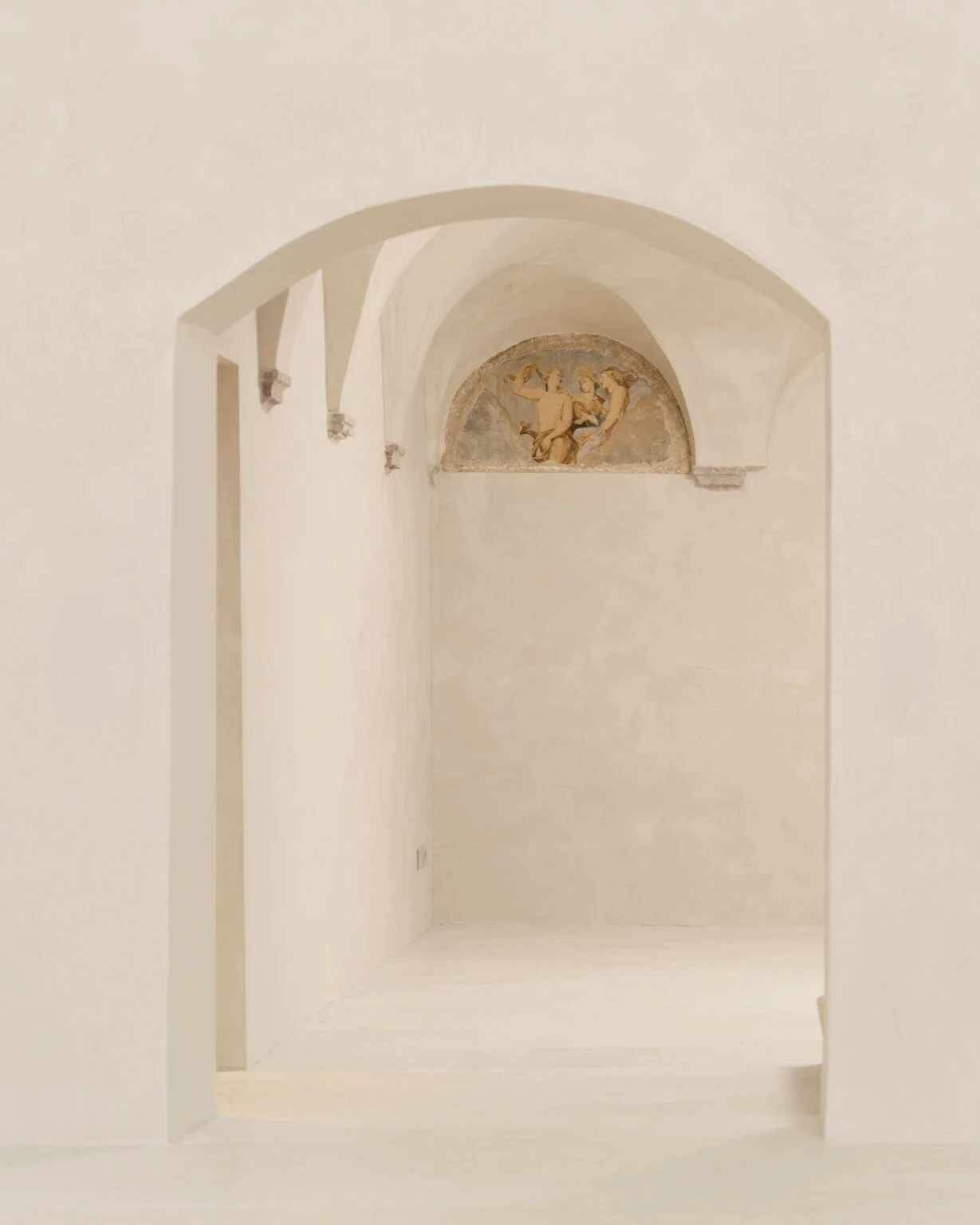
L’intervento si muove con misura. Il restauro ha riportato alla luce elementi originari, lacerti di affresco, volte, colonne addossate alle pareti, restituendo leggibilità a uno spazio che conserva una forte identità materica. Non c’è ostentazione, ma un lavoro puntuale che lascia emergere la qualità del luogo e ne valorizza il carattere raccolto.
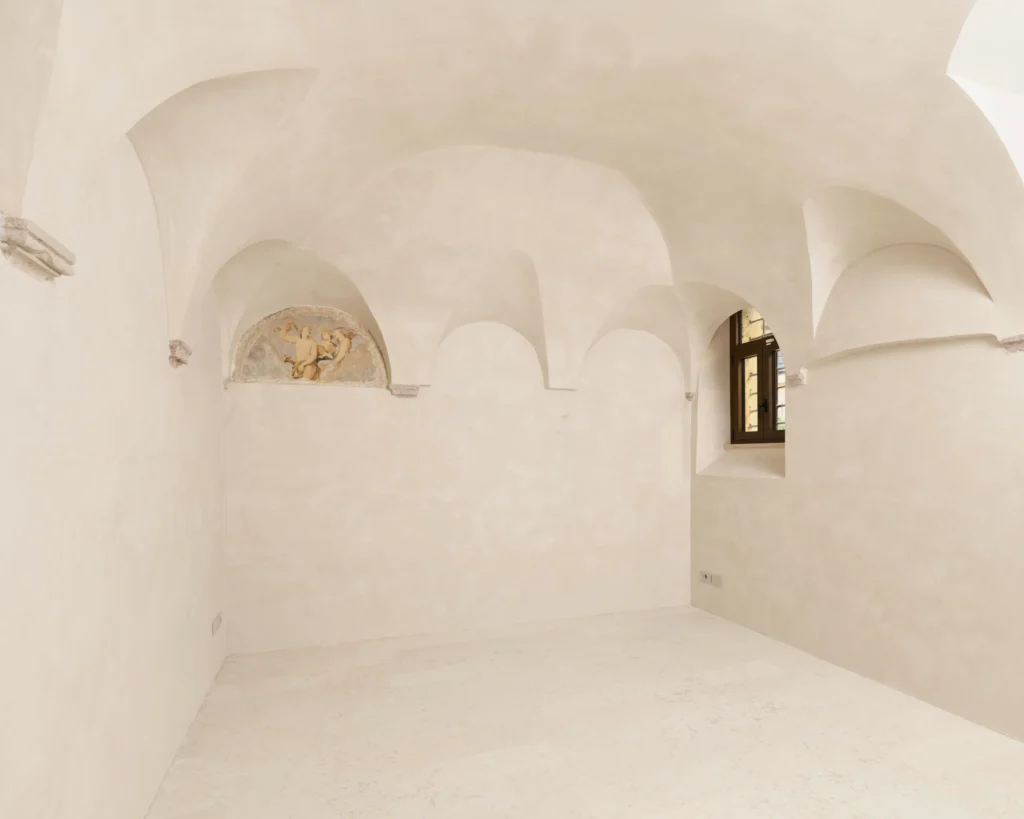
Questa nuova stanza introduce anche una diversa modalità di fruizione. Se il percorso principale del museo costruisce un racconto ampio, qui l’esperienza si concentra, si fa quasi meditativa. È uno spazio che invita alla pausa, alla relazione diretta con l’opera e con l’architettura, in una dimensione più silenziosa.
Allo stesso tempo, l’intervento ha un valore urbano. Il recupero contribuisce a riattivare una porzione di centro storico fino a oggi marginale, nonostante la vicinanza immediata con uno dei luoghi più frequentati della città. Un’azione discreta ma significativa, che dimostra come anche interventi puntuali possano incidere sulla percezione e sull’uso degli spazi urbani.
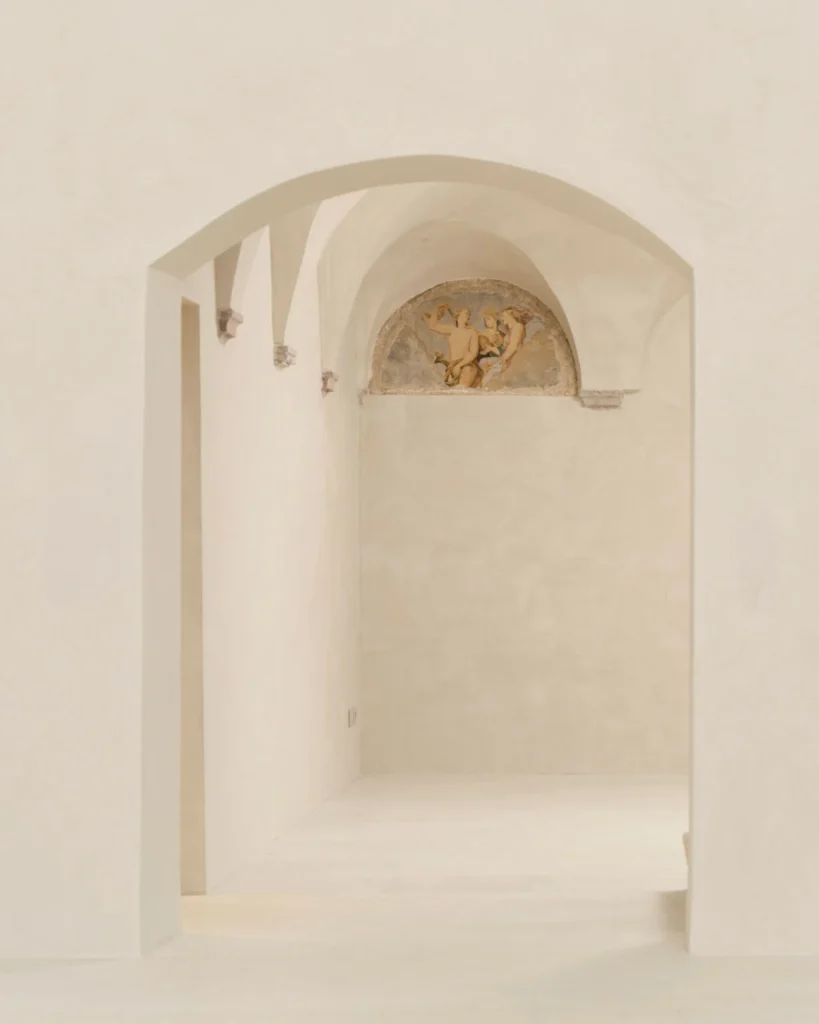
Con il “Monastero”, Palazzo Maffei rafforza la propria identità: non solo contenitore di una collezione, ma piattaforma culturale capace di generare nuove occasioni, mantenendo un equilibrio preciso tra memoria e contemporaneità.
Palazzo Maffei Renewed: A New Space Between Memory and Contemporaneity
In one of the city’s most iconic settings, Palazzo Maffei continues to evolve without losing its identity. More than a house museum, it stands as a living organism that has progressively fostered a dynamic dialogue between art, architecture, and the urban fabric.
The latest intervention concerns a space long overlooked at the rear of the building. Here, a small and evocative environment, reminiscent of a hidden chapel, has been restored and transformed into an intimate and surprisingly contemporary setting. Conceived to expand the museum’s cultural offerings, it provides a more secluded alternative to the main exhibition halls, ideal for temporary exhibitions, educational initiatives, and special events.
Named the “Monastero,” the new space evokes the historical stratification of the area, where a Benedictine complex once stood between the 10th and 12th centuries before being gradually absorbed into the evolving city. Today, this layered past is subtly reinterpreted, shaping an atmosphere that bridges history and modernity.
The intervention is defined by a refined and respectful approach. Careful restoration has brought to light original architectural elements, including fragments of frescoes, vaulted ceilings, and engaged columns, restoring clarity and dignity to a space rich in material character. The design avoids ostentation, instead enhancing the intrinsic qualities of the site and preserving its intimate essence.
This new environment introduces an alternative mode of experience. While the museum’s main route unfolds through a broad and articulate narrative, here the encounter becomes more contemplative and introspective. It is a place that invites pause, encouraging a direct and personal relationship with both the artwork and the architecture.
Beyond its cultural significance, the project also holds urban value. The revitalization contributes to the reactivation of a previously overlooked portion of the historic center, despite its proximity to one of Verona’s most vibrant landmarks. It is a discreet yet meaningful intervention, demonstrating how targeted restorations can reshape the perception and use of urban spaces.
With the addition of the “Monastero,” Palazzo Maffei further strengthens its identity, not merely as a repository of art but as a dynamic cultural platform capable of generating new experiences, where memory and contemporaneity coexist in perfect balance.