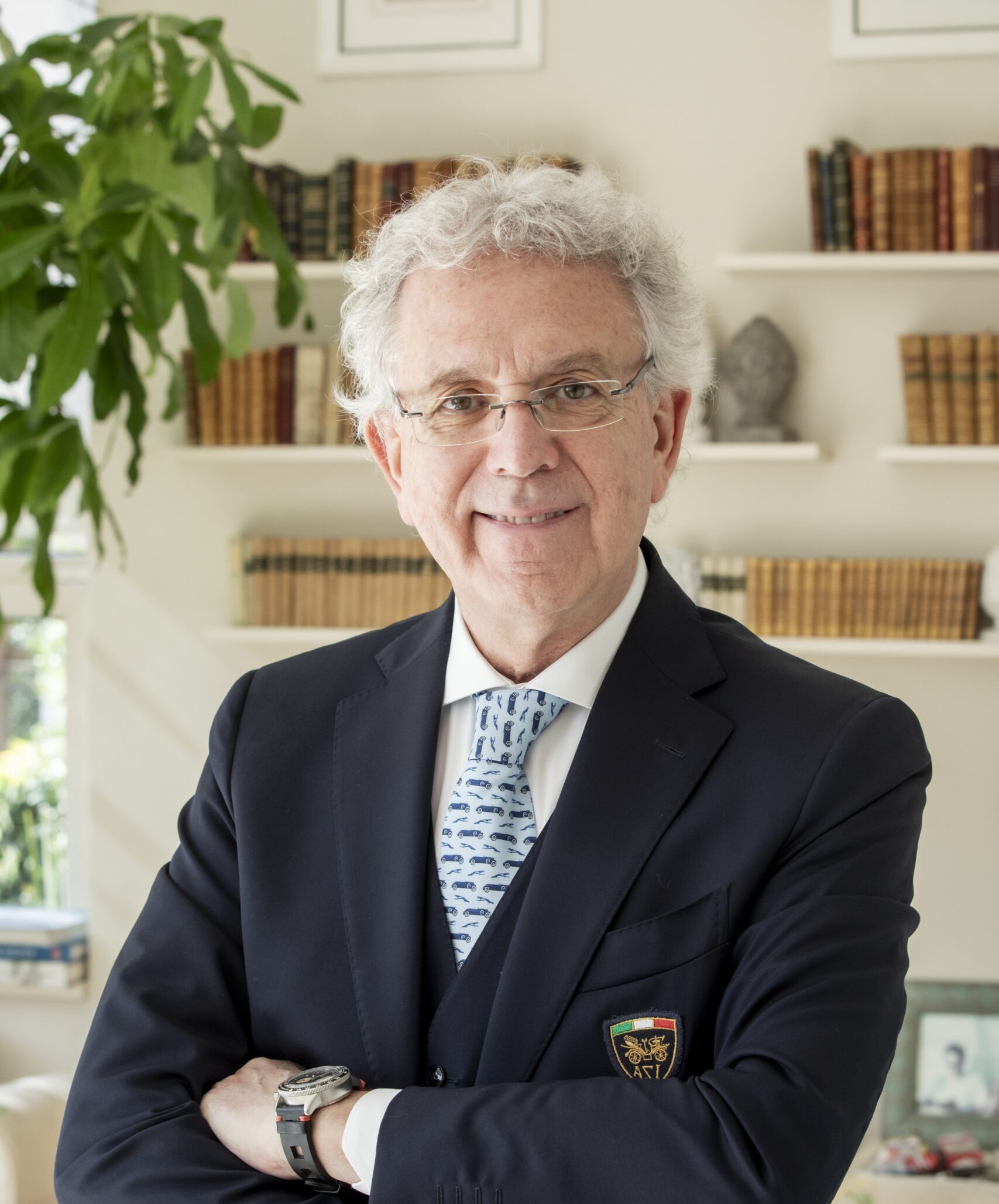
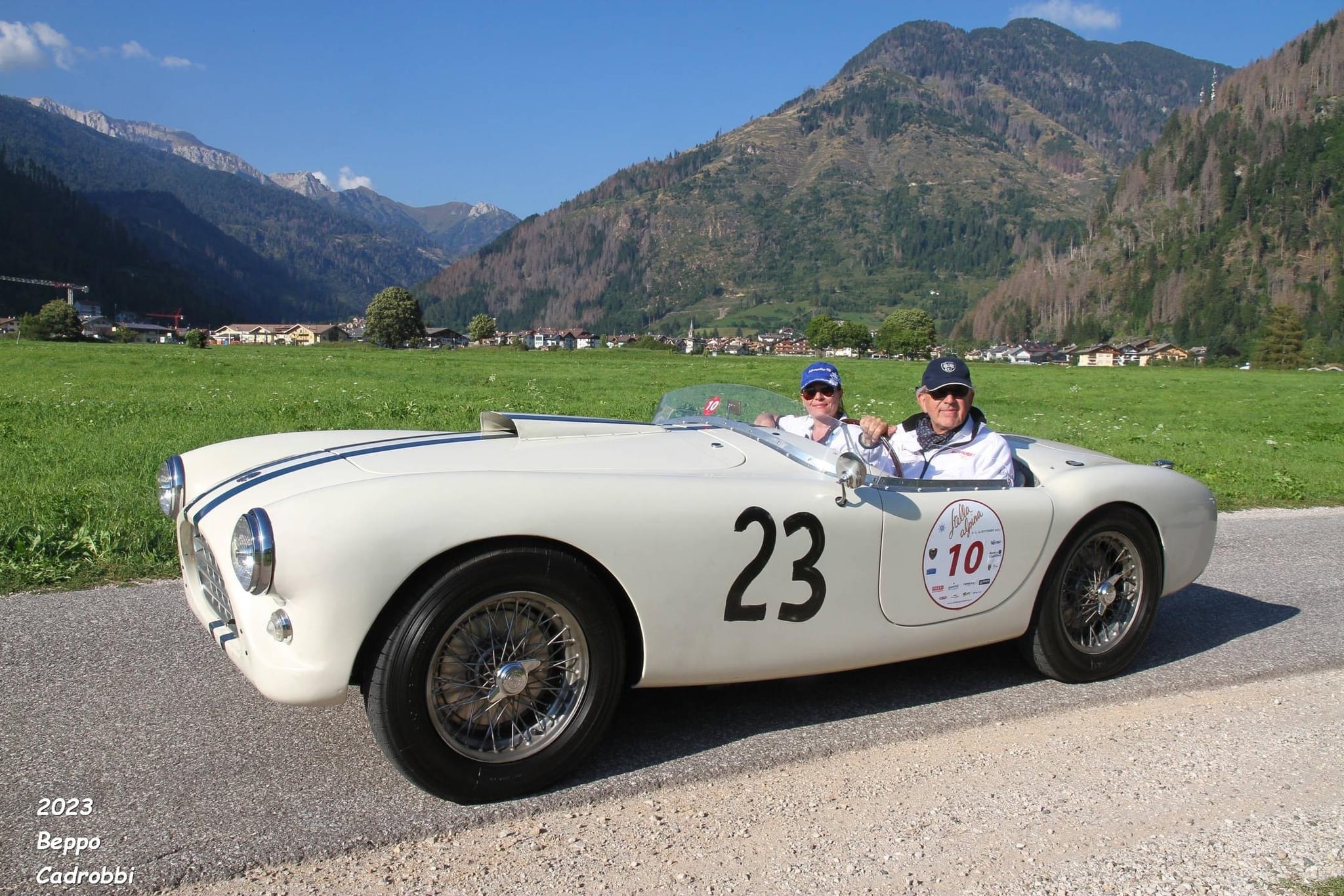
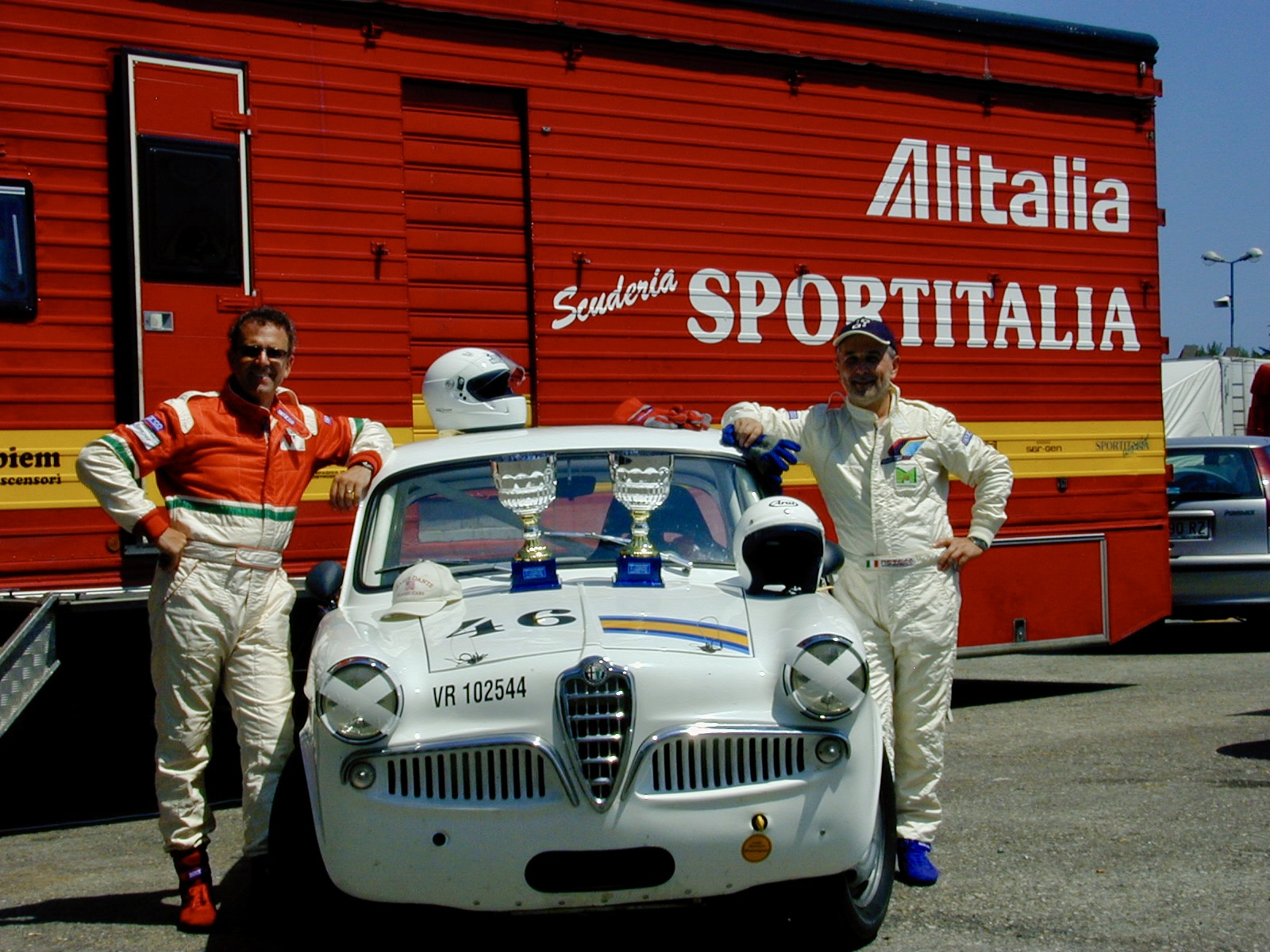
“Ho cominciato a vedere mio padre all’età di 18 anni e mi disse ‘Ora che ci conosciamo, possiamo anche diventare amici'” questo è stato l’incipit dell’intervista al professor Alberto Scuro, che si preannunciava simpatica e piacevolissima.
“Io volevo fare l’architetto, ma ho dovuto seguire la strada indicata da mio padre che era chirurgo” ci dice. Dopo anni come responsabile dell’Unità di Chirurgia Vascolare presso l’Università di Verona, esperto nel campo cardio vascolare, fece una scelta di cuore e di passione: il mondo dei motori storici e l’evoluzione della locomozione.
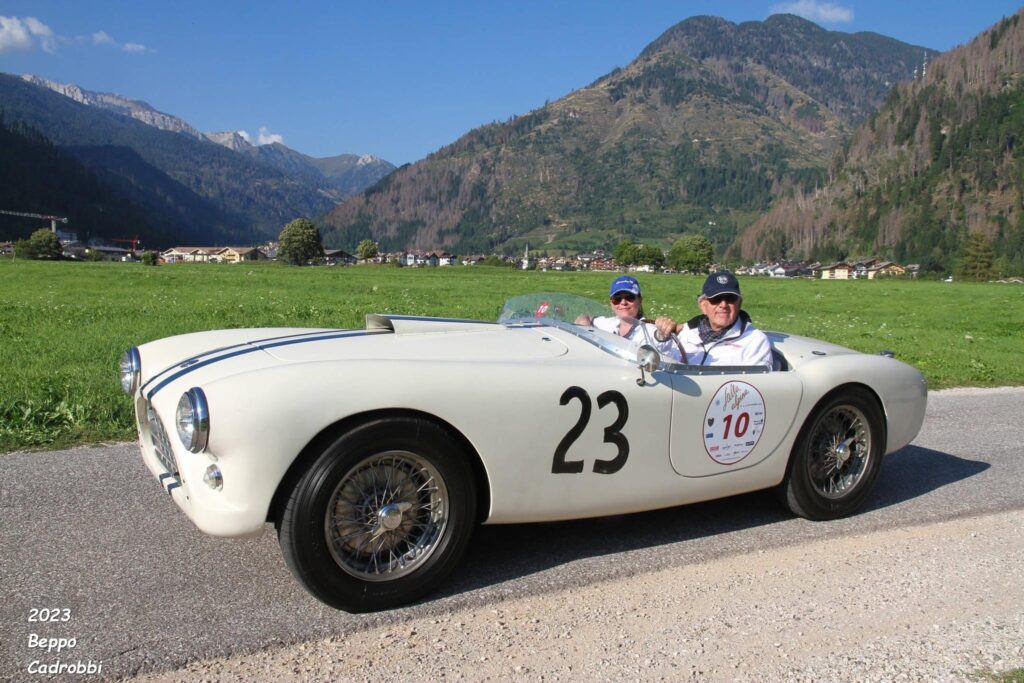
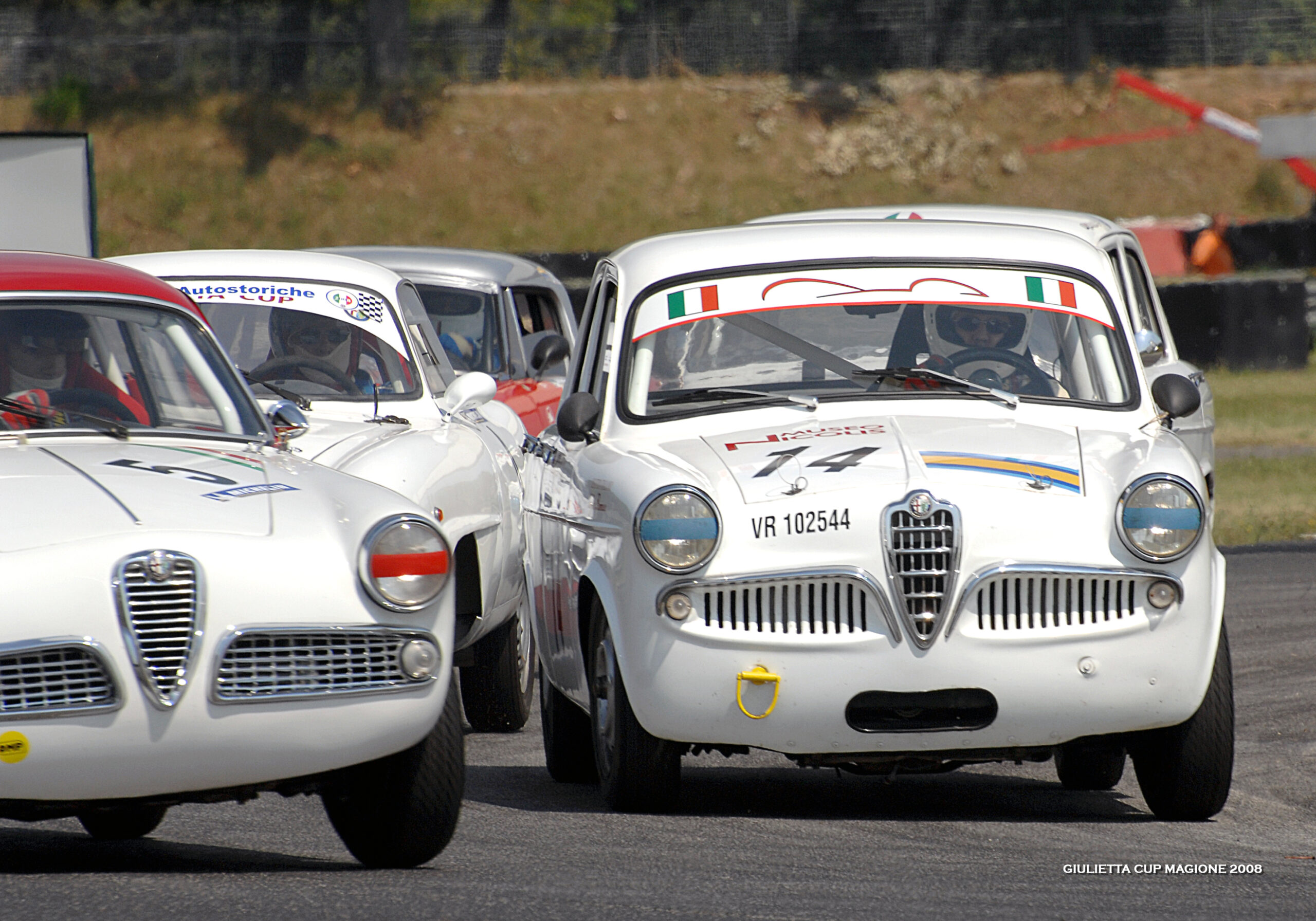
Da Borgo Roma, quindi, passò al mondo suggestivo e affascinante delle auto storiche, un mondo profondo dei ricordi e delle emozioni del passato. “Mio padre era sempre via per lavoro” comincia il suo racconto “fu mio nonno ad iniziarmi ai motori quando avevo 7 anni, e mi fece guidare un’automobilina a pedali in un circuito a Villa Borghese e vinsi con soddisfazione di entrambi quella gara di fantasia”.
Nato a Roma con origini pugliesi, a 11 anni si trasferì a Verona dove tuttora vive. “Quella passione mi è rimasta nel cuore, è una passione che dà molto e toglie poco. Il mondo della chirurgia mi piaceva molto, in qualche modo era pure divertente. Del resto con le nostre scoperte di allora abbiamo fatto la storia sull’operazione cardio vascolare col prof. Vecchioni“.
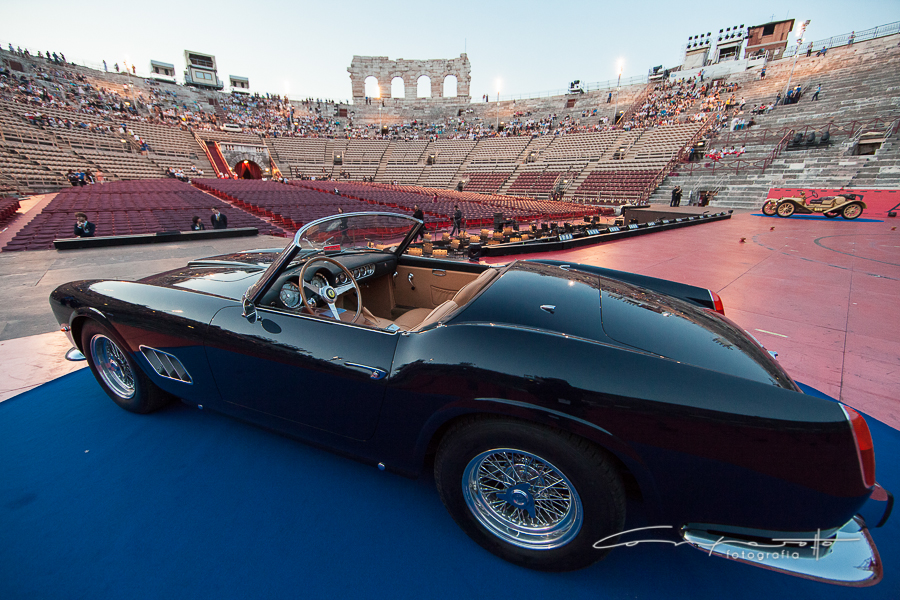
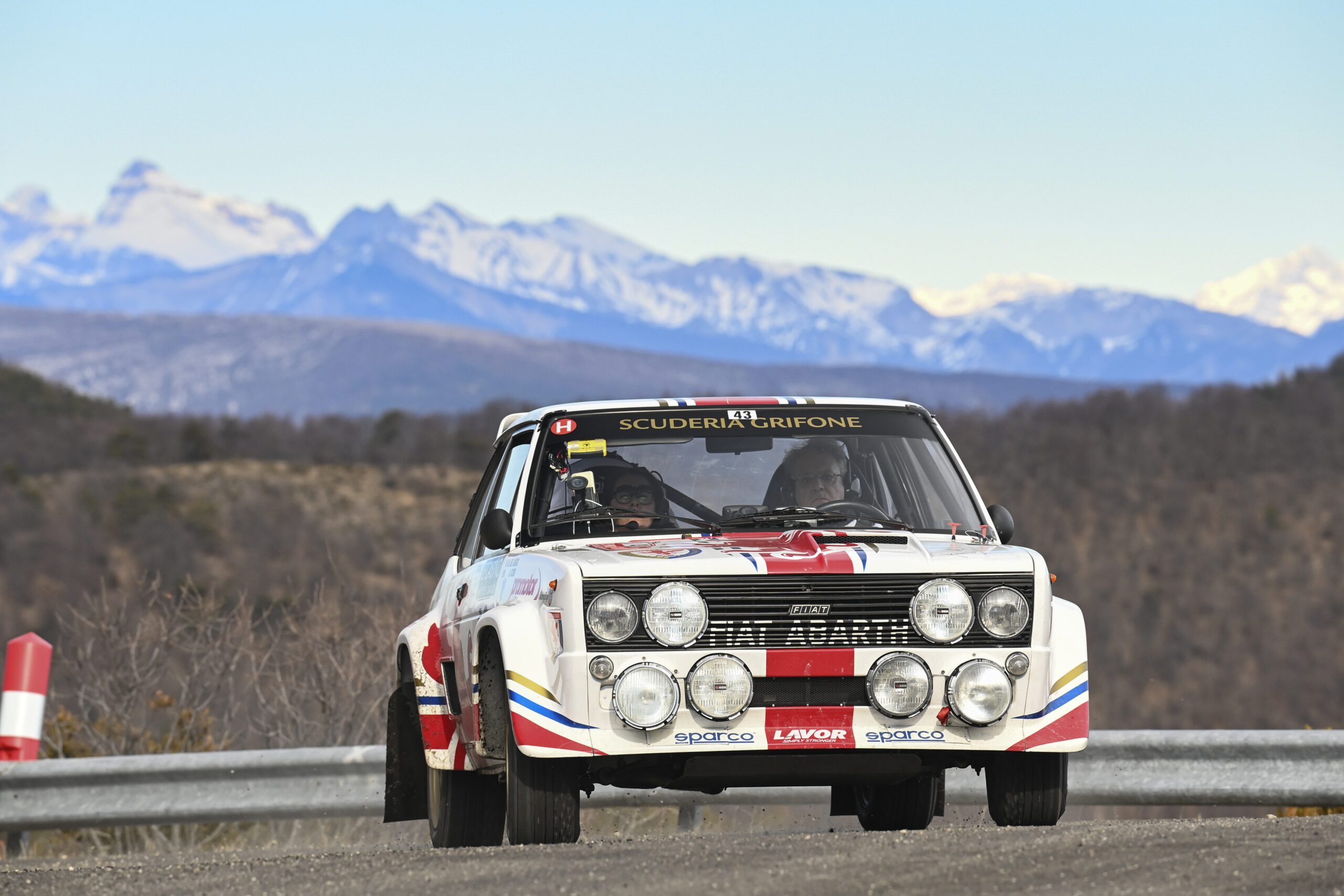
Fu Luciano Nicolis, fondatore del museo di Villafranca, dove sono raccolti centinaia di mezzi di locomozione, che lo spinse a prendere il suo posto come Consigliere Federale dell’ASI, Automotoclub Storico Italiano. Poi lo scorso novembre 2025 è stato eletto all’assemblea generale a Salvador di Bahia in Brasile, alla presidenza della FIVA, la Federazione Internazionale dei Veicoli Storici.
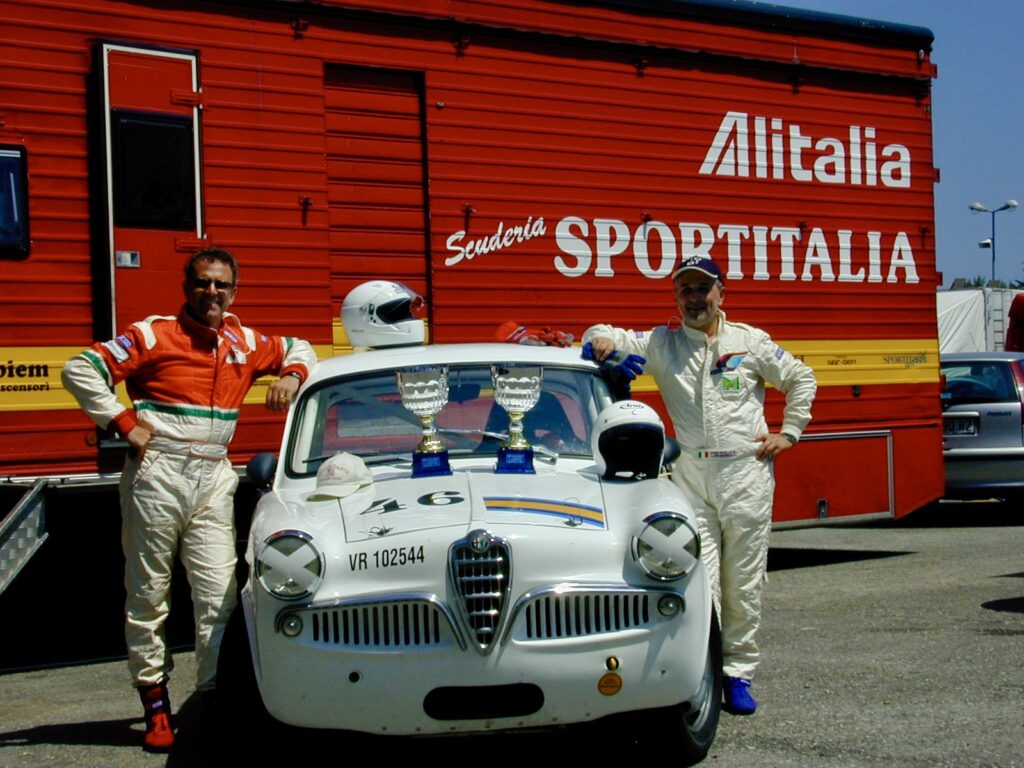
Scuro è il primo Presidente ASI a guidare anche la FIVA, “Il lavoro ovviamente è triplicato, essendo numerosissimi i club, i tesserati e i soci non solo in tutta Italia, ma anche in tutto il mondo. Ad esempio recentemente abbiamo promosso un tavolo di lavoro con la Cina, che ha interesse ad aprire il mercato in questo settore, ma sta attenta alla fuga di capitale”.
Uno degli obiettivi più importanti in questo periodo di trasformazione del settore con l’introduzione di nuove normative, è quello di ottenere il riconoscimento dell’Unesco dei veicoli storici come patrimonio dell’Umanità. Ma anche l’attenzione all’ambiente, la creazione di un grande data-base del motorismo storico con un portale internazionale e il riconoscimento mondiale per la protezione e la conservazione dell’ingente patrimonio dei veicoli storici.
Con il termine veicoli storici si comprende, oltre alle auto, le moto, gli aerei, le imbarcazioni. “Solo a Verona ci sono circa 4000 soci” continua Scuro, “Tra le nostre attività c’è anche il fare sistema con ACI ed altre organizzazioni come ad esempio le Dimore Storiche, la creazione di eventi in tutta Italia, percorsi formativi con l’Università, per restauratori, abbiamo avviato il progetto ‘A scuola con ASI’ per le elementari e le medie.
Prossimamente si celebra il 60° anno di nascita dell’ASI, che si tiene a Bardolino con molti eventi e spettacoli”. Il fotografo Leonardo Ferri ha inserito il personaggio di Alberto Scuro nel suo libro, che è anche una mostra, “Veronensis”, che raccoglie le foto in bianco e nero di 130 soggetti per raccontare Verona attraverso le loro storie. Il ricavato dell’iniziativa è devoluto all’Associazione ABEO.