Qualche settimana fa abbiamo pubblicato un articolo sul progetto Residenze San Marco a Verona, scoprendo un intervento di alto livello capace di unire l’anima antica della città con le esigenze più moderne dell’abitare contemporaneo.
Affascinati dalla profondità storica di questo luogo, che va dalle strutture romane nell’area del foro fino alla facciata degli anni Trenta, abbiamo voluto incontrare l’architetto Mario Bellavite. In questa intervista, il progettista racconta la sfida di trasformare secoli di stratificazione urbana in una qualità dell’abitare senza tempo, rivelando anche retroscena suggestivi come la scoperta di antichi vicoli medievali e il legame dell’edificio con la storia industriale veronese.
Architetto Bellavite, le Residenze San Marco attraversano molti secoli di storia: dalle murature medievali alla facciata degli anni Trenta fino agli spazi ipogei che, negli scavi, raggiungono le strutture romane dell’area forense. Qual è stata la sfida più complessa nel far dialogare questa profondità storica con l’abitare contemporaneo?
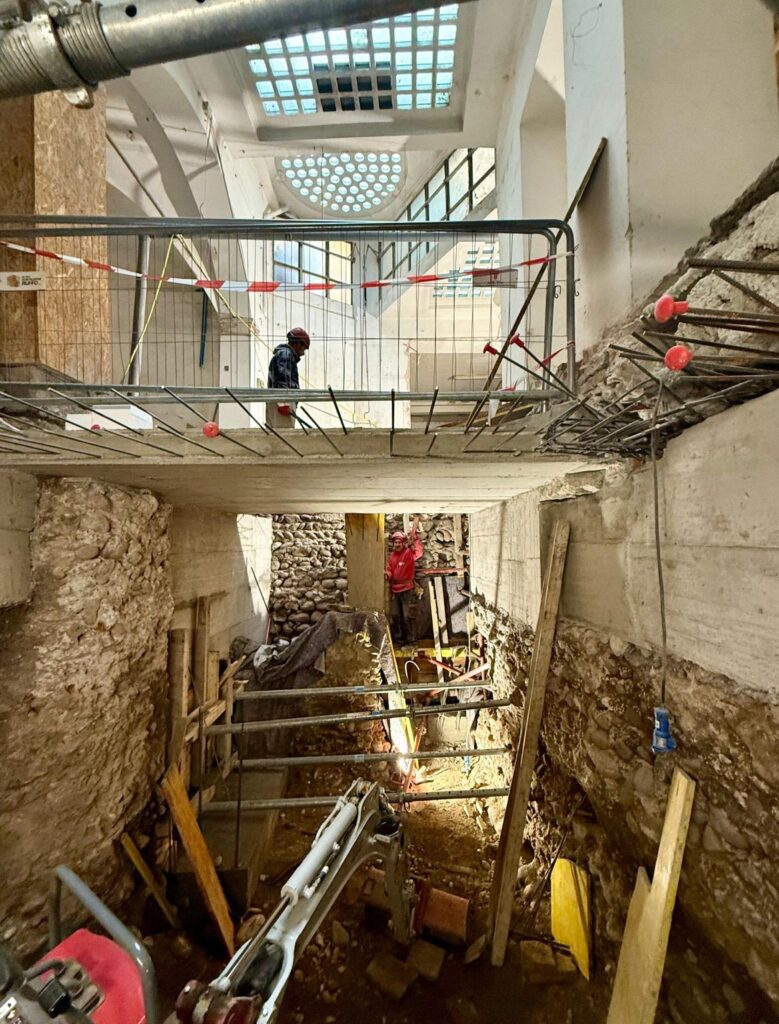
Nel centro storico di Verona il tempo rimane sotto i nostri piedi. Gli scavi nelle Residenze San Marco hanno riportato alla luce ambienti ipogei e murature che appartengono alla grande trasformazione urbana avviata in età augustea nell’area del Foro. In questo settore della città si impostava il sistema di sostruzioni che sosteneva il piano monumentale collegato al tempio dedicato alle divinità imperiali. Il progetto nasce da questa consapevolezza: l’architettura deve rendere leggibile il tempo della città e trasformare questa stratificazione in una qualità dell’abitare.
La facciata appartiene alla Verona degli anni Trenta. Come avete affrontato il restauro?
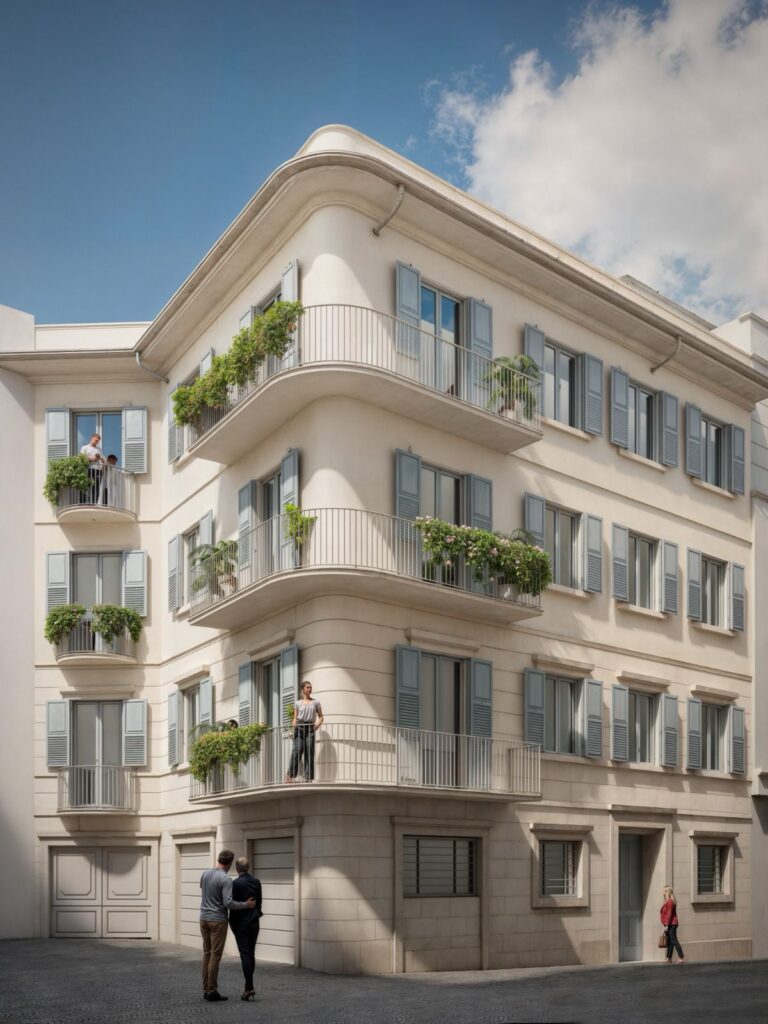
La facciata racconta una stagione precisa dell’architettura veronese. Il restauro ha lavorato sui materiali e sulle proporzioni per restituire la qualità originaria della composizione. L’intervento contemporaneo si muove accanto a questa presenza con discrezione e precisione costruttiva, creando continuità tra la città storica e il modo di abitare di oggi.
Durante i lavori è emersa qualche scoperta inattesa?
Durante gli scavi è riemersa una porzione di lastricato in pietra che costituiva il camminamento di un piccolo vicoletto medievale tra due corpi di fabbrica. Questo frammento di città è stato lasciato visibile al piano interrato, vicino all’ascensore, protetto da una superficie vetrata. È un dettaglio semplice ma molto eloquente: racconta con chiarezza come Verona si sia costruita lentamente nel corso dei secoli.
Gli spazi sotterranei dell’edificio sono particolarmente suggestivi. Che ruolo hanno nel progetto?
Le cantine sono tra gli ambienti più affascinanti dell’edificio: volte in mattoni, murature profonde e luce radente che rivela la materia delle pareti. In questi spazi si trovava anche il laboratorio originario dei pandori Melegatti. È una memoria sorprendente della città: sotto le case del centro storico convivevano abitazioni, lavoro e produzione artigianale.
Come si integrano tecnologie contemporanee in un edificio storico così delicato?
La tecnologia raggiunge la sua maturità quando diventa invisibile. Impianti ad alta efficienza energetica, ventilazione e sistemi di controllo ambientale sono stati integrati dentro la struttura dell’edificio con grande precisione. Chi abita percepisce luce, aria, comfort e silenzio.
Le Residenze San Marco ospitano sei abitazioni. Come avete costruito l’esperienza dell’abitare?
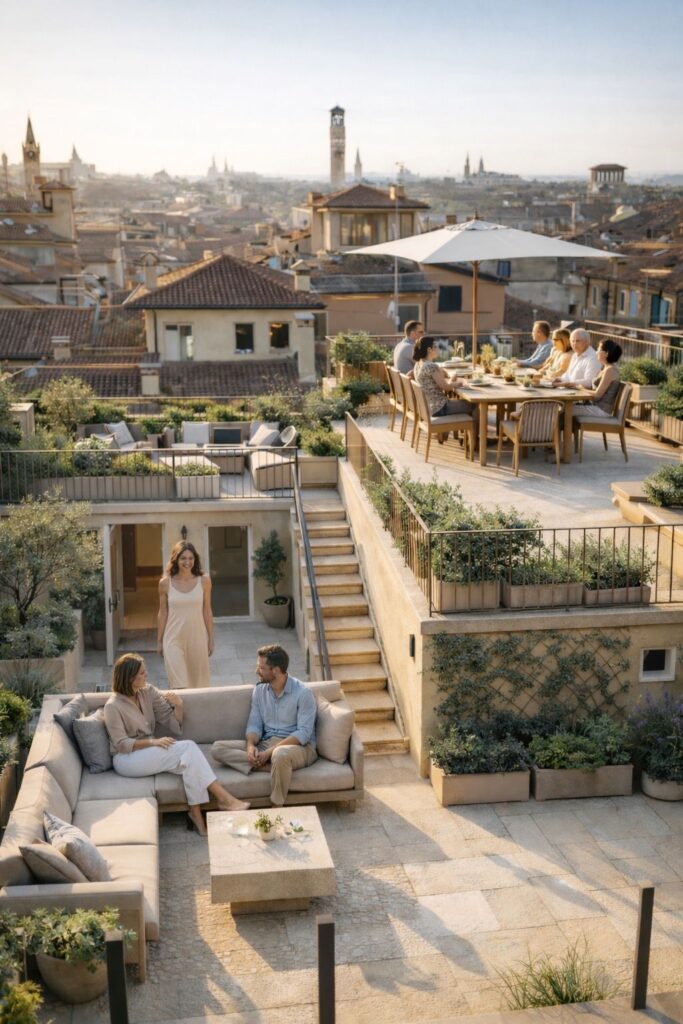
Le abitazioni possiedono atmosfere diverse: alcune dialogano con la piazzetta, altre con le corti interne. Le terrazze sono diventate una parte centrale del progetto. Funzionano come stanze all’aperto nel cuore della città storica: luoghi di luce e di vita quotidiana che restituiscono respiro anche al tessuto urbano più compatto.
Nel suo lavoro ha spesso operato su contesti storici complessi di Verona – dall’Arena a chiese e palazzi storici della città. In che modo queste esperienze hanno influenzato il progetto delle Residenze San Marco?
Il lavoro nei contesti monumentali insegna una disciplina fondamentale: la misura. L’architettura contemporanea trova forza quando dialoga con ciò che esiste già e rende più chiara la struttura della città. Le Residenze San Marco nascono da questa stessa attenzione al tempo lungo degli edifici e alla continuità del tessuto urbano.
Come si trova il giusto equilibrio tra intervento contemporaneo e memoria storica?
Il progetto raggiunge il suo equilibrio quando la storia dell’edificio torna leggibile. L’architettura contemporanea entra con precisione e misura e rafforza la leggibilità della città.
Restituire abitazioni al centro storico ha anche un significato urbano più ampio?
Restituire abitazioni al centro storico significa restituire vita urbana. Le città storiche prosperano quando continuano a essere abitate e attraversate ogni giorno.
Come immagina il futuro del recupero dei centri storici?
Il futuro della città europea passa dal recupero intelligente degli edifici esistenti. Qualità energetica, comfort ambientale e attenzione ai materiali permettono oggi di migliorare il patrimonio storico con grande efficacia
Lei lavora spesso su edifici destinati a durare nei secoli. Come vive questa responsabilità?
L’architettura lavora sempre dentro il tempo lungo della città. Ogni progetto entra in una storia che esiste prima di noi e continuerà dopo di noi.
Il centro storico può dialogare con il modello della città dei quindici minuti?
Il centro storico possiede naturalmente questa struttura urbana. Servizi, spazi pubblici e relazioni si sviluppano a distanza pedonale. Questa prossimità rappresenta una grande qualità urbana.
Quanto conta il benessere negli spazi abitativi contemporanei?
La qualità dello spazio influisce profondamente sulla vita delle persone. Luce naturale, qualità dell’aria, proporzioni e materiali autentici costruiscono ambienti che favoriscono equilibrio e serenità.
Come interpreta oggi il concetto di lusso nell’abitare?
La parola lusso oggi richiede una certa attenzione. In un tempo che chiede sobrietà e responsabilità verso le risorse, il valore dell’architettura si misura piuttosto nella qualità degli spazi e nella loro capacità di migliorare la vita quotidiana.
Luce naturale, silenzio, proporzioni equilibrate, aria pulita e materiali autentici costruiscono un ambiente che accompagna la vita delle persone con discrezione. Più che di lusso, parlerei di qualità dell’abitare: una forma di ricchezza che non si esibisce ma si percepisce ogni giorno.
Un insegnamento ai giovani architetti?
Il mio maestro Luigi Caccia Dominioni diceva: «Odio i palazzi solo da fotografare. L’architettura deve creare spazi da vivere».
È una lezione ancora attuale: l’architettura trova il suo senso quando accompagna la vita delle persone.