

ABBIAMO INTERVISTATO ANGELO PEZZOTTA DELLO STUDIO SNØHETTA, CHE CI HA RACCONTATO VISIONE E ARCHITETTURA DELL’INTERVENTO
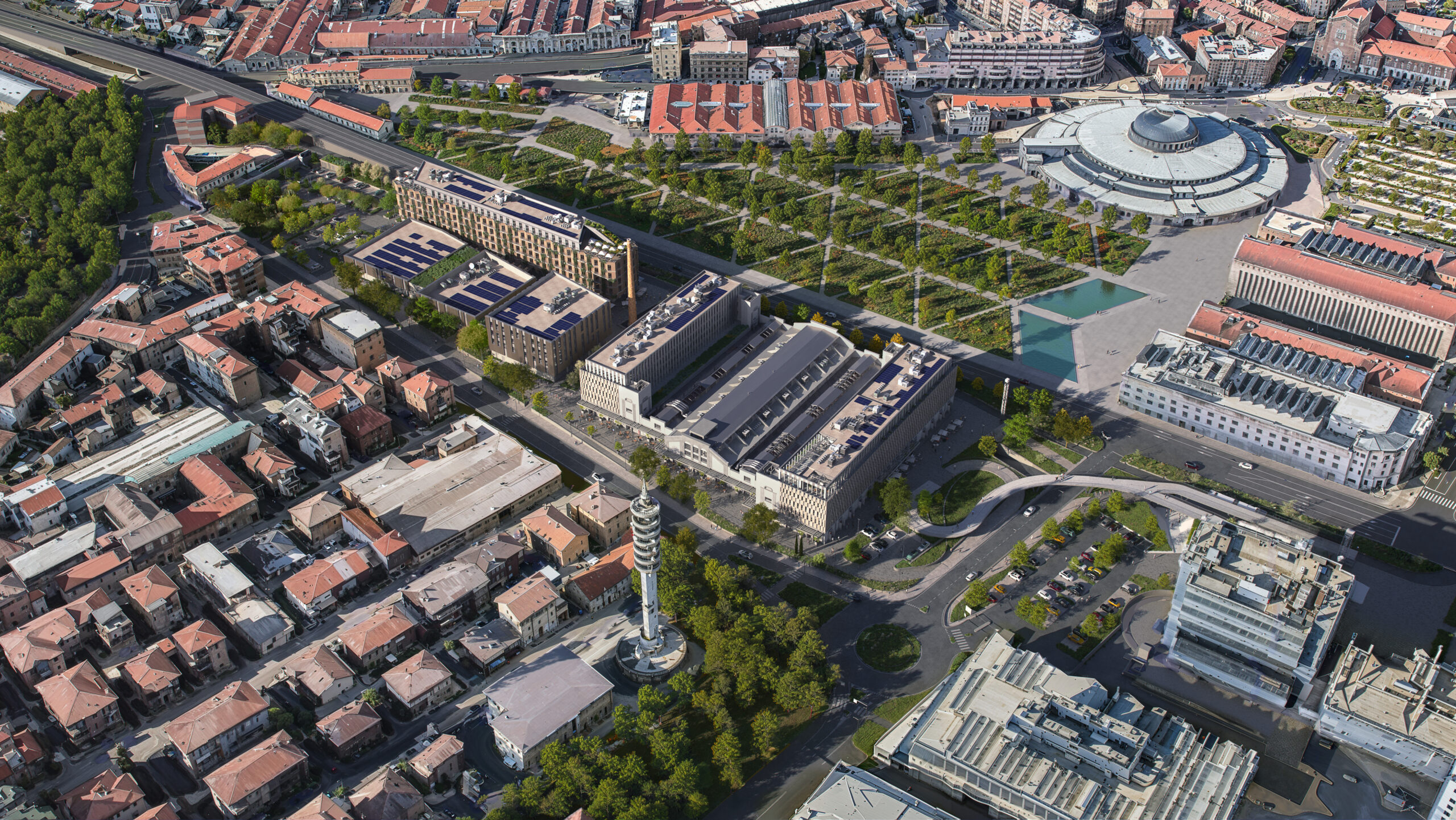
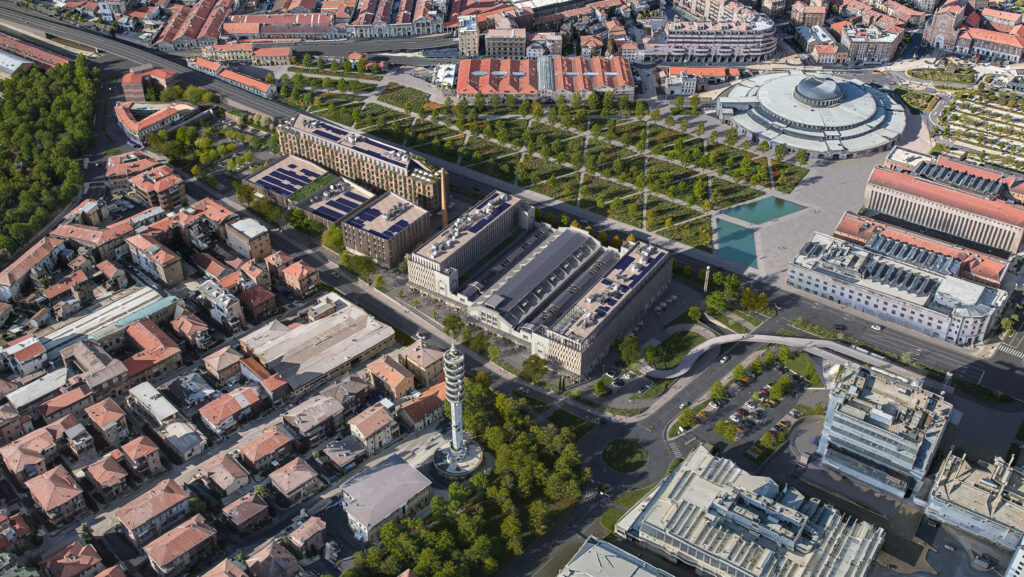
La rigenerazione dell’ex Manifattura Tabacchi di Verona entra nella fase operativa dopo l’ottenimento del Permesso di Costruire. L’intervento, promosso da Supernova e firmato dallo studio internazionale Snøhetta, rappresenta uno dei più rilevanti progetti di trasformazione urbana in corso in città, su una superficie di circa 30.000 metri quadrati. In posizione strategica, Manifattura Tabacchi si configura come una vera cerniera urbana tra la porta sud di Verona, Veronafiere e l’ex scalo ferroviario.
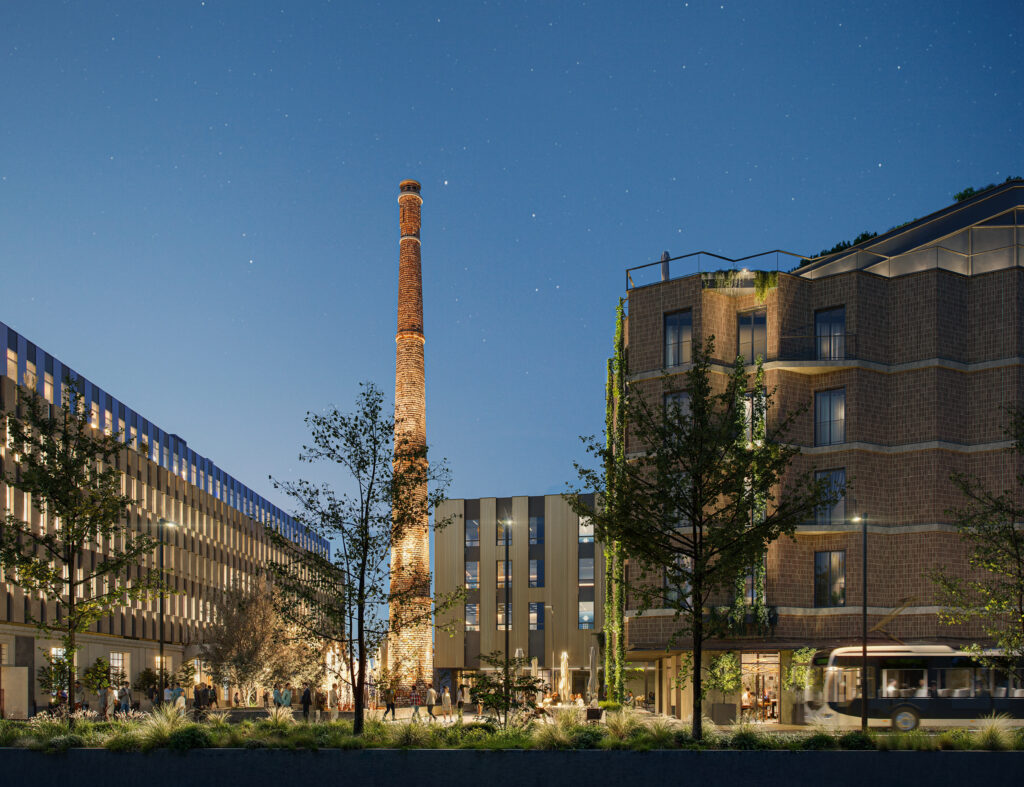
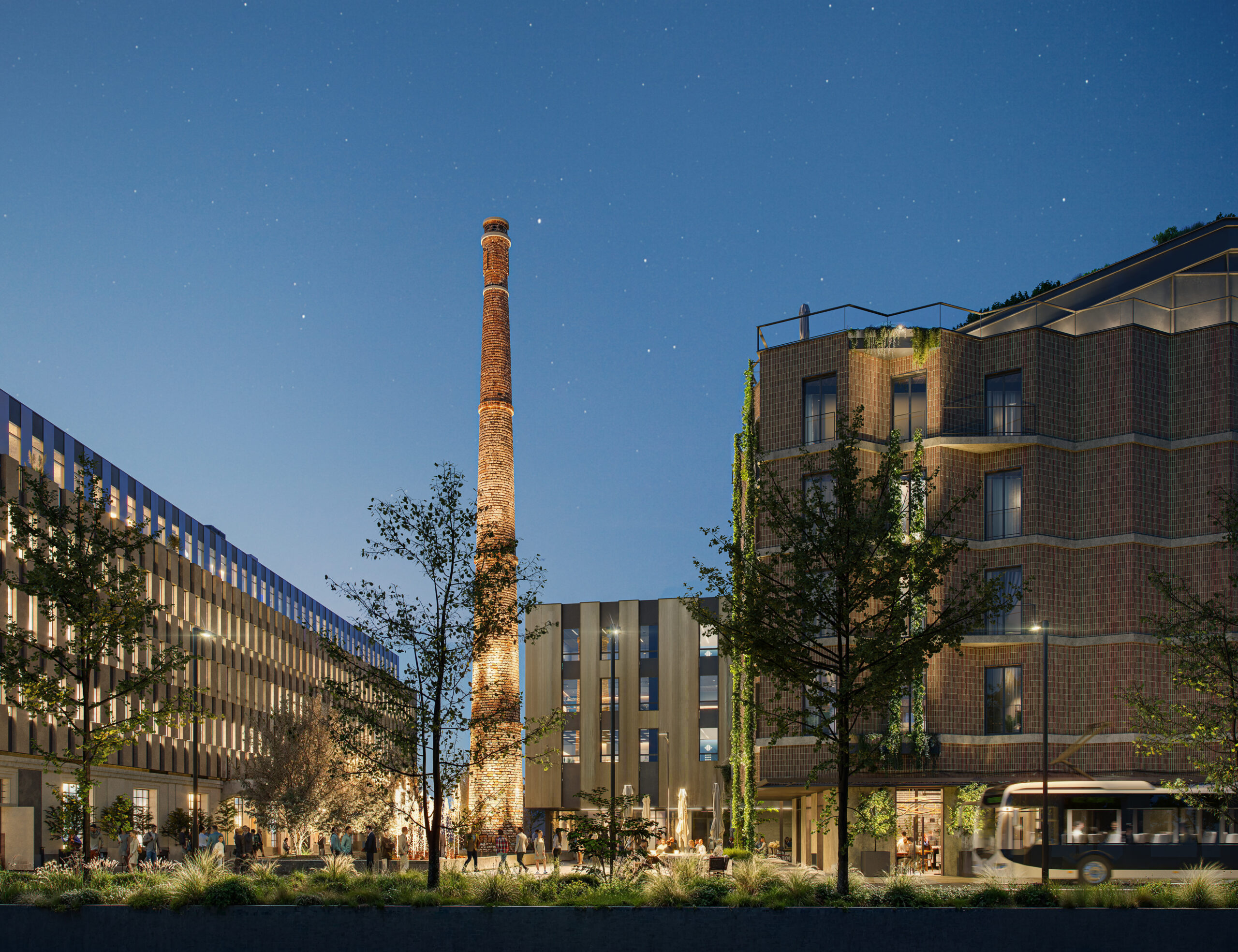
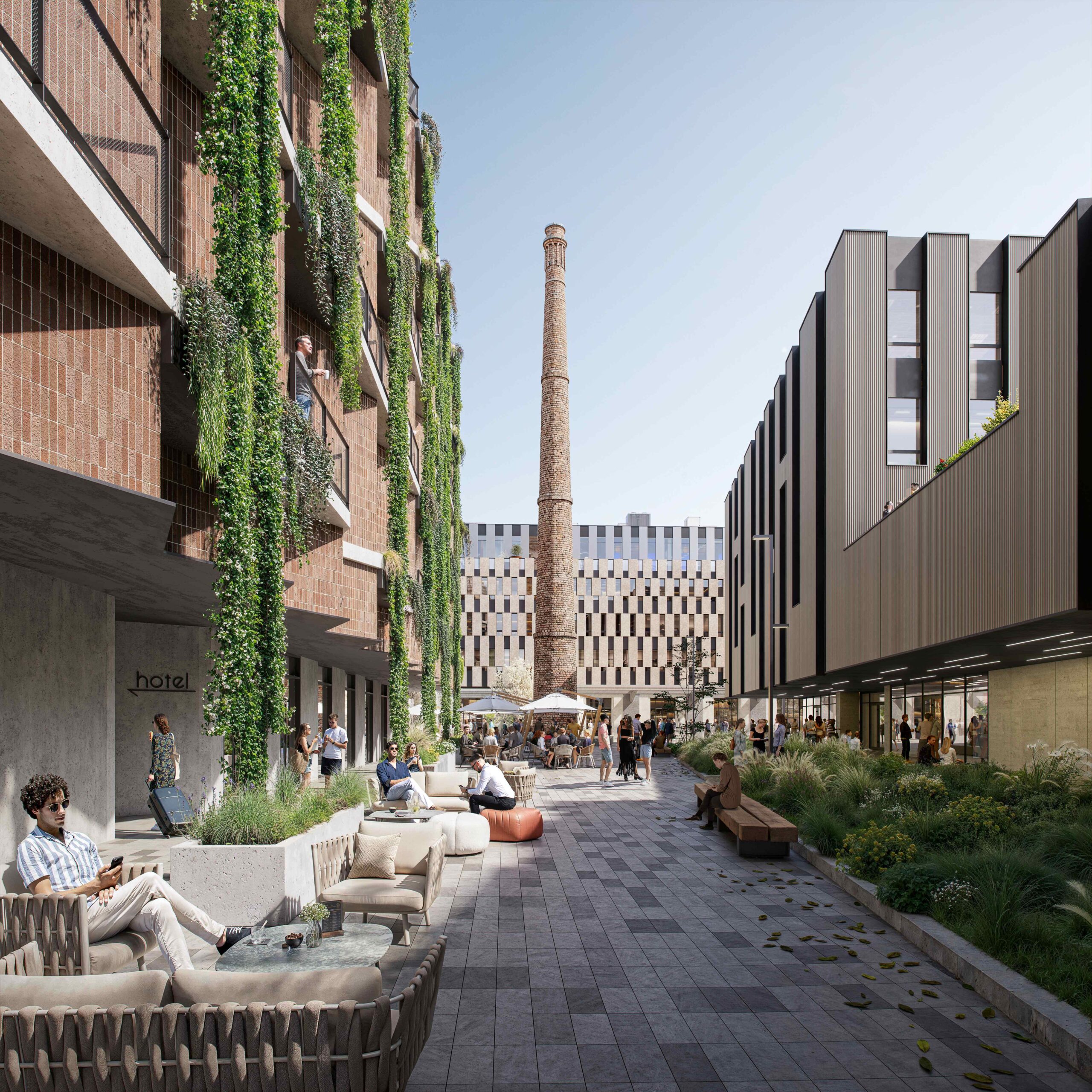
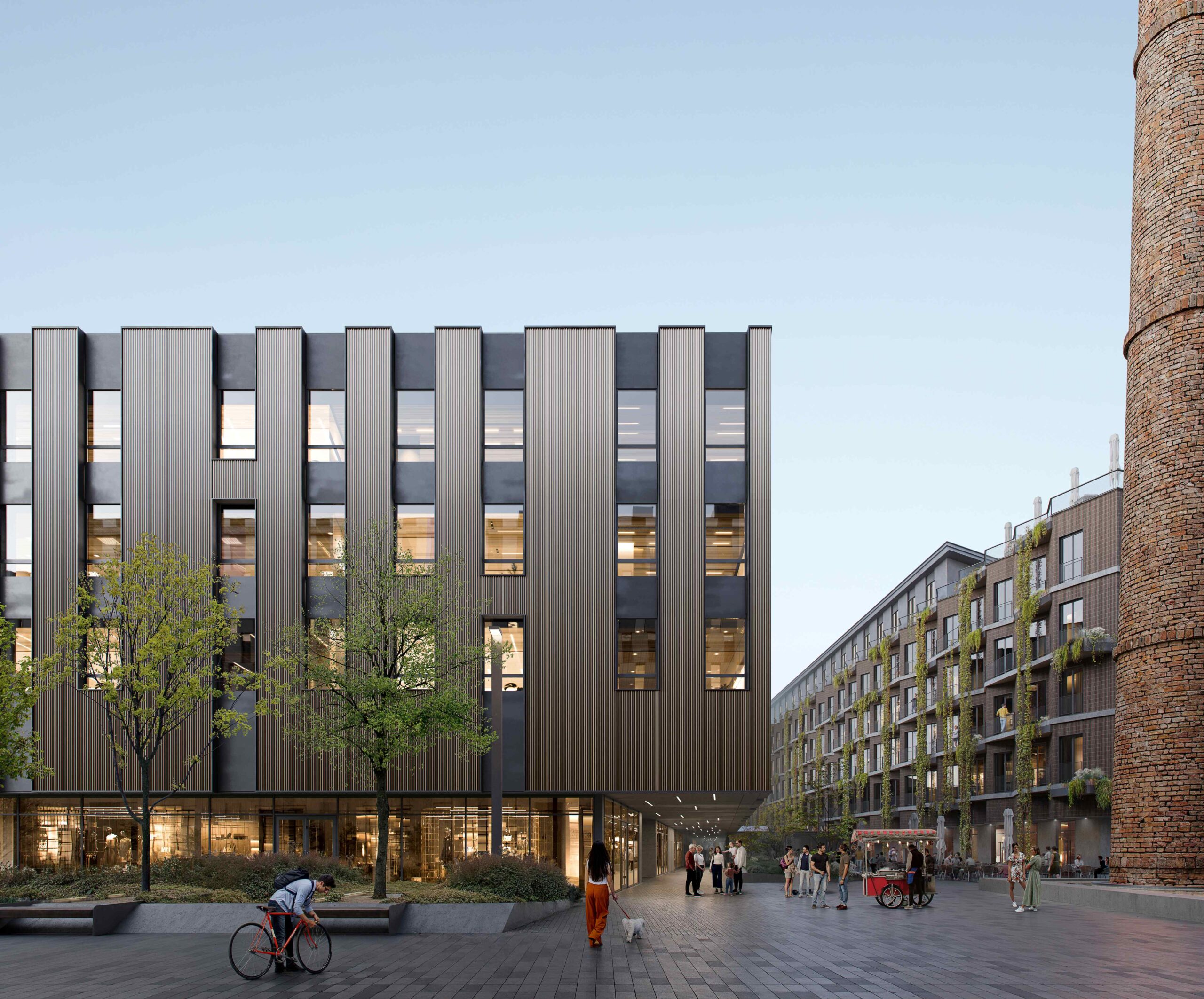
Il master plan si fonda sul dialogo tra preesistenze storiche e nuova architettura, attraverso il recupero degli edifici tutelati e della ciminiera, integrati in un nuovo sistema urbano che ospiterà uffici, due hotel, spazi commerciali e servizi per il tempo libero con ampie aree verdi aperte alla città. Un progetto già riconosciuto come strategico turistico di interesse regionale e di recente premiato sia nella categoria Urban Regeneration che come Overall Winner del riconoscimento internazionale The Plan Real Estate Award 2025 per l’approccio olistico del master plan che unisce l’innovazione alla tradizione.
Architetto, come avete concepito il progetto di rigenerazione della Manifattura Tabacchi?
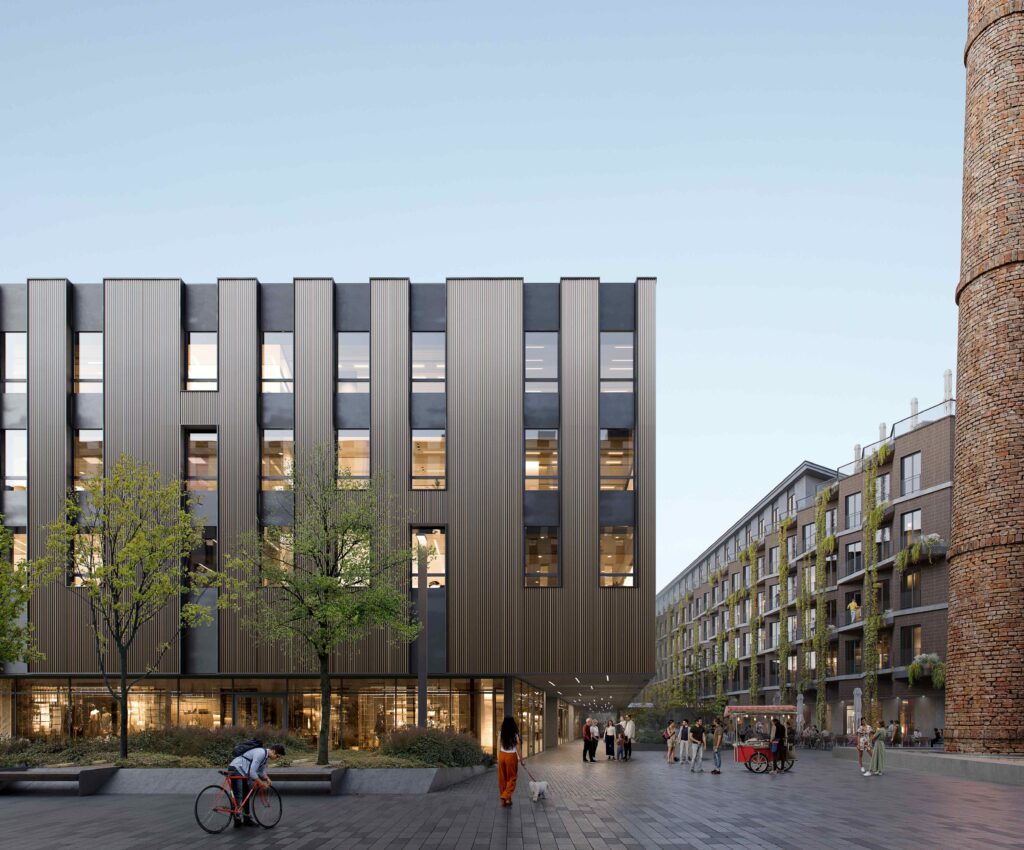
Il progetto esplora nuove relazioni tra spazio pubblico e privato e tra l’edificio e la città, mettendo al centro l’individuo e promuovendo condivisione, accessibilità e una riappropriazione collettiva degli spazi. L’architettura smette di essere un oggetto isolato per diventare un’esperienza viva, il cui valore cresce con l’uso quotidiano, trasformando il complesso in un luogo aperto e condiviso.
Qual è stata l’ispirazione del progetto e come si integra il nuovo intervento con la struttura storica?
Fin dall’inizio abbiamo visto il potenziale strategico dell’area come nodo tra centro storico, Fiera, Stazione e quartieri a est e a ovest, grazie anche a nuovi percorsi ciclo-pedonali e al filobus. L’ispirazione è nata dalla vista sulla città e sui monti Lessini durante il primo sopralluogo, un paesaggio stratificato che abbiamo tradotto in linguaggio architettonico. La struttura storica, silenziosa e inattiva, è diventata la base su cui innestare un nuovo paesaggio contemporaneo, dinamico e aperto, capace di dialogare con la città e con il tempo presente.
Come avete affrontato il tema della sostenibilità nel progetto della Manifattura Tabacchi?
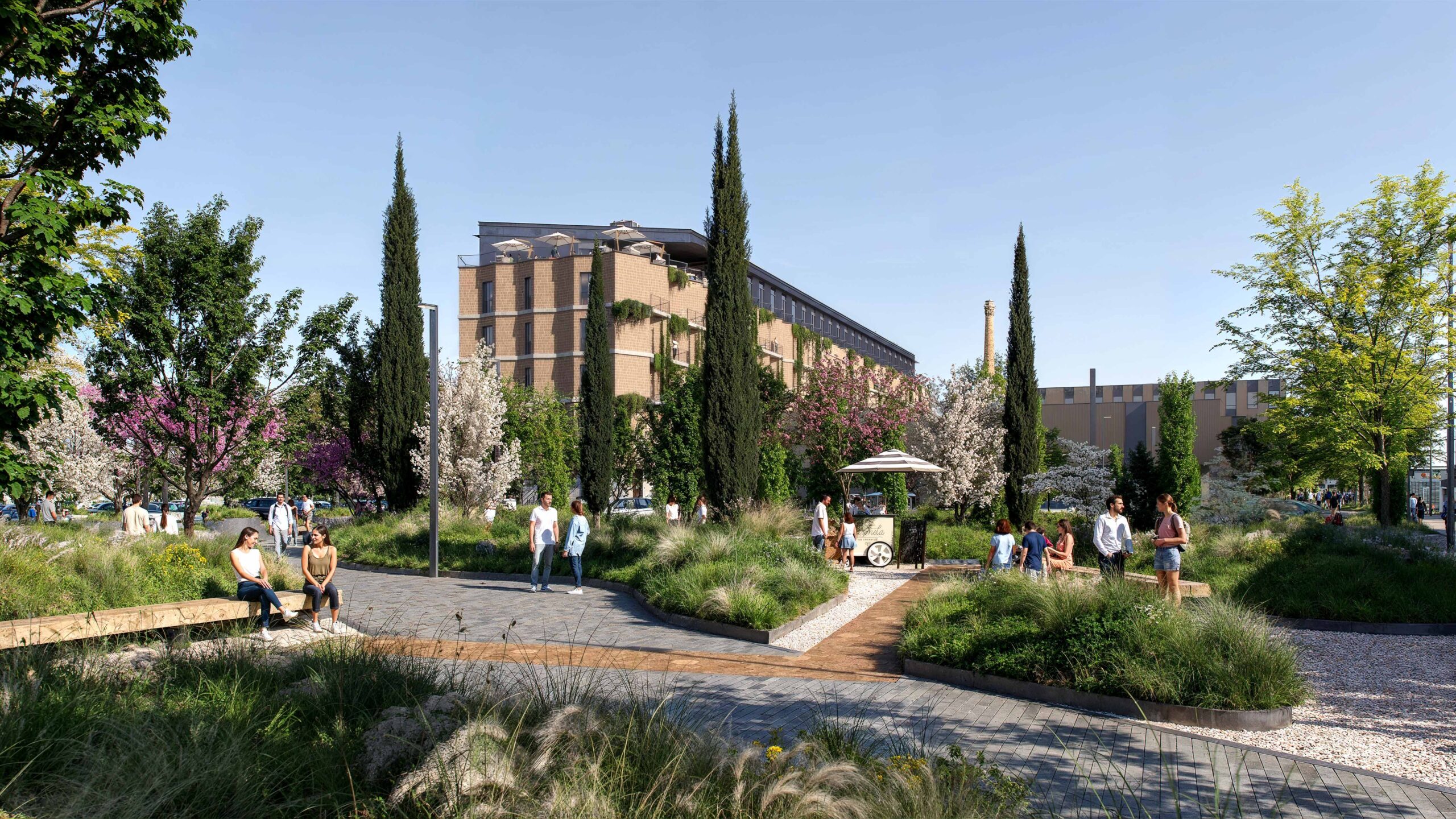
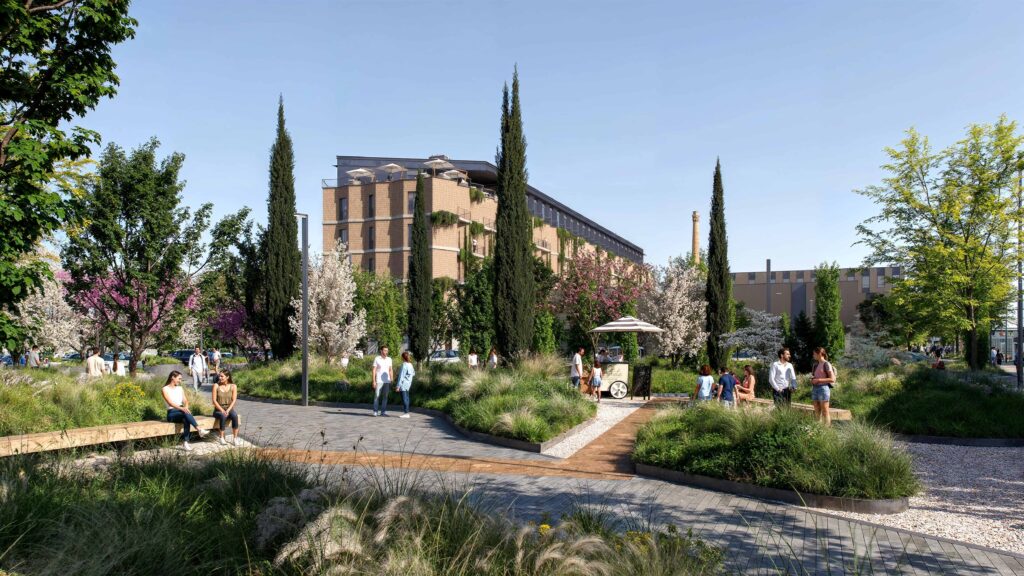
La sostenibilità non può essere uno slogan, ma un principio guida che orienta ogni fase del progetto, dall’idea alla realizzazione. Per Manifattura Tabacchi abbiamo tradotto questi principi in scelte concrete: energie rinnovabili, efficienza energetica, gestione delle acque meteoriche, ampie aree verdi e riduzione dell’effetto “isola di calore”. Abbiamo utilizzato impianti a pompa di calore integrati con pannelli solari, scelto materiali e soluzioni strutturali sostenibili, tra cui un edificio interamente in legno, e progettato il comfort in relazione alle diverse funzioni degli spazi. Tutto il progetto è stato sviluppato per ottenere la certificazione LEED Gold. Il progetto promuove inoltre la mobilità sostenibile attraverso nuove piste ciclabili e collegamenti pubblici con il filobus e il nuovo percorso ciclopedonale passante su Via Scopoli a Sud.
Qual è il valore storico e culturale della Manifattura Tabacchi e come lo avete integrato nel progetto e con le nuove funzioni urbane?
La storia della Manifattura Tabacchi si intreccia con quasi un secolo di vita della città, dai primi magazzini del 1932 fino alla chiusura del 2002. Il vincolo monumentale del 2003 ha riconosciuto il valore di elementi come il deposito dei tabacchi greggi e la ciminiera, che abbiamo preservato e valorizzato come segni identitari. La memoria industriale non è un vincolo, ma una risorsa che ispira il progetto, trasformando un sito produttivo chiuso in uno spazio pubblico attraversabile, dove storia e nuove funzioni convivono. Aprendo la Manifattura al quartiere delle Golosine e alla città, abbiamo creato un tessuto permeabile che integra funzioni commerciali, direzionali e ricettive. La memoria industriale diventa la base per costruire spazi di qualità accessibili a tutti, generando connessioni fisiche, culturali ed emotive, e rafforzando l’identità e il senso di appartenenza della comunità.
MANIFATTURA TABACCHI, SUPERNOVA REGENERATES A STRATEGIC URBAN HUB.
WE INTERVIEWED ANGELO PEZZOTTA OF SNØHETTA, WHO SHARED THE VISION AND ARCHITECTURAL APPROACH BEHIND THE PROJECT.
The regeneration of Verona’s former Manifattura Tabacchi has entered its operational phase following the granting of the Building Permit. Promoted by Supernova and designed by the international firm Snøhetta, the intervention represents one of the most significant urban transformation projects currently underway in the city, covering approximately 30,000 square meters. Strategically located, Manifattura Tabacchi acts as a true urban hinge between Verona’s southern gateway, Veronafiere and the former railway yard.
The master plan is based on a dialogue between historic structures and new architecture, through the restoration of protected buildings and the chimney, integrated into a new urban system that will include offices, two hotels, retail spaces and leisure services, along with generous green areas open to the city. The project has already been recognized as a strategic tourism development of regional interest and was recently awarded both in the Urban Regeneration category and as Overall Winner at The Plan Real Estate Award for its holistic master plan approach combining innovation and tradition.
Architect Pezzotta, how did you conceive the regeneration project for Manifattura Tabacchi?
The project explores new relationships between public and private space, and between the building and the city, placing people at the center while promoting sharing, accessibility and collective reappropriation of space. Architecture ceases to be an isolated object and becomes a living experience, whose value grows through everyday use, transforming the complex into an open and shared place.
What inspired the project and how does the new intervention integrate with the historic structure?
From the outset we recognized the strategic potential of the area as a node between the historic center, the trade fair district, the railway station and the neighborhoods to the east and west, also thanks to new cycling and pedestrian routes and the trolleybus system.
The inspiration came during our first site visit, from the view over the city and the Lessini mountains, a layered landscape that we translated into architectural language. The historic structure, silent and inactive, became the foundation for inserting a new contemporary landscape, dynamic and open, capable of engaging in dialogue with both the city and the present time.
How did you address sustainability within the project?
Sustainability cannot be a slogan, it must be a guiding principle shaping every phase of the project, from concept to construction. At Manifattura Tabacchi, these principles were translated into concrete choices, renewable energy systems, high energy performance, rainwater management, extensive green areas and mitigation of the urban heat island effect.
We adopted heat pump systems integrated with solar panels, selected sustainable materials and structural solutions, including a fully timber building, and designed comfort strategies tailored to the different functions within the complex. The entire project has been developed to achieve LEED Gold certification.
The project also promotes sustainable mobility through new cycling paths and improved public transport connections, including the trolleybus and a new pedestrian and cycling route along Via Scopoli.
What is the historical and cultural value of Manifattura Tabacchi, and how has it been integrated into the project?
The history of Manifattura Tabacchi is intertwined with nearly a century of the city’s life, from the first warehouses built in 1932 to its closure in 2002. The heritage protection status granted in 2003 recognized the value of elements such as the raw tobacco warehouse and the chimney, which have been preserved and enhanced as identity markers. Industrial memory is not a constraint but a resource. It has inspired the transformation of a once closed production site into an accessible public space where history and new urban functions coexist. By opening the complex to the Golosine district and the wider city, the project creates a permeable urban fabric integrating commercial, office and hospitality functions. Industrial heritage becomes the foundation for high quality spaces accessible to all, generating physical, cultural and emotional connections while strengthening community identity and sense of belonging.